Unlocking 2026: How Social Commerce Could Revolutionize the UK Market Overnight
Ever wondered how your scroll through Instagram or TikTok transformed from casual browsing to an almost psychic shopping spree? Welcome to the UK’s 2026 social commerce revolution, where brands don’t just appear on your feed—they predict your next purchase before you even think about it. Gone are the days of clunky checkouts and endless clicks bouncing you off-platform; today’s savvy marketers wield AI-powered, seamless in-app buying experiences that turn every double-tap into instant revenue. But it’s not just about tech wizardry—integrating daily social workflows with core e-commerce platforms creates a powerhouse of community engagement, live streams, and creator collaborations that actually convert. Curious how exactly this shift is reshaping digital storefronts and what that means for your brand strategy? Let’s dive in and unpack why the UK market is sprinting ahead in this zero-friction, algorithm-driven race. LEARN MORE
Summary
The shift to algorithmic precision: In 2026, UK social commerce has evolved beyond basic digital storefronts. Marketing leaders now rely on predictive AI and seamless in-app checkouts to capture high-intent buyers directly from their social feeds.
Zero-friction purchasing paths: Modern consumers expect a flawless buying journey without leaving the platform. By abandoning external e-commerce routing and adopting native checkout, brands transform passive community engagement into immediate revenue.
Unified operational infrastructure: Scaling social commerce requires deep integration between daily social workflows and primary e-commerce platforms. This connectivity turns routine community management, live streams and creator partnerships into trackable, high-converting touchpoints.
Setting up a native social shop is standard practice for UK brands. In 2026, the focus has shifted from being present to being predictive.
Simply having a TikTok Shop or an Instagram catalogue is no longer a competitive advantage; it is the bare minimum. We are now operating in an arena of invisible checkouts where brands use AI to serve the right product before a user even knows they want it.
Defining the native storefront: Social commerce vs e-commerce vs social selling
For UK marketing leaders, navigating the shift to native storefronts means clearly distinguishing between social commerce vs e-commerce vs social selling.
- E-commerce uses social channels as a distribution engine, driving traffic away from the feed to an external website.
- Social selling is a relationship-building tactic where practitioners engage prospects to build trust and close deals offline or via direct channels (highly effective in B2B).
- Social commerce is built for instant, frictionless conversion. Consumers discover, evaluate and purchase products entirely within the native app.
Modern buyers have zero patience. Every extra tap, slow page load or forced account creation step just invites cart abandonment. By keeping the transaction native, you eliminate those barriers. Buying stops being a planned chore and becomes a natural part of the daily scroll.
| Feature | Social commerce | E-commerce | Social selling |
|---|---|---|---|
| The core action | Buying and selling directly inside a social platform | Buying and selling on a dedicated brand website or app | Building relationships on social media to close sales later |
| The purchase path | Frictionless, native in-app checkout | Requires clicking away from social media to a website | Often offline or via direct messaging and email |
| The primary goal | Immediate conversion and impulse buying | Catalogue browsing and planned purchases | Lead generation and pipeline building |
| Best fit for | B2C retail, beauty, apparel and impulse buys | High-consideration items, complex B2B and wholesale | B2B professionals, high-ticket services and consultants |
The strategic takeaway from this shift goes beyond consumer impatience. We are witnessing the collapse of the traditional marketing funnel. Discovery and conversion now happen in the exact same breath.
To capitalise on this, brands must stop treating social channels as billboards designed to bounce traffic elsewhere. Treat your feed as your flagship store, where every post is an opportunity for immediate action.
How big is the social commerce market in the UK?
There has been varying data on the exact size of the market but recent reconciliations put the UK social commerce valuation at over £24 billion, with clear forecasts showing this figure accelerating toward £40 billion by the end of the decade. The UK is one of the most mature digital retail markets globally and consumers are highly receptive to in-app buying.
Gen Z and Millennials naturally drive the bulk of these transactions, favouring creator-led formats and short-form video discovery. However, older UK demographics are increasingly comfortable purchasing through established networks like Facebook, largely due to familiar interfaces and integrated payment systems like PayPal or Apple Pay.
What are the top social media platforms used in the UK?
Understanding where to focus your resources is critical. Here is how the top platforms rank for UK social commerce, mapped to their core strengths:
- Facebook: Still a dominant force for older demographics. Best for targeted ads driving to native shops and community-led buying in Groups.
- Instagram: The visual powerhouse. Ideal for apparel, beauty and lifestyle brands using shoppable posts, stories and creator partnerships.
- TikTok: The growth engine. TikTok Shop UK commands massive engagement through viral trends, authentic creator content and live streams.
- YouTube: The high-intent platform. YouTube Shopping is perfect for in-depth product reviews, tech, gaming and detailed tutorials linked directly to products.
- Pinterest: The planner’s platform. Exceptional for home decor, wedding and fashion brands where visual discovery and long-term catalogue ingestion drive sales.
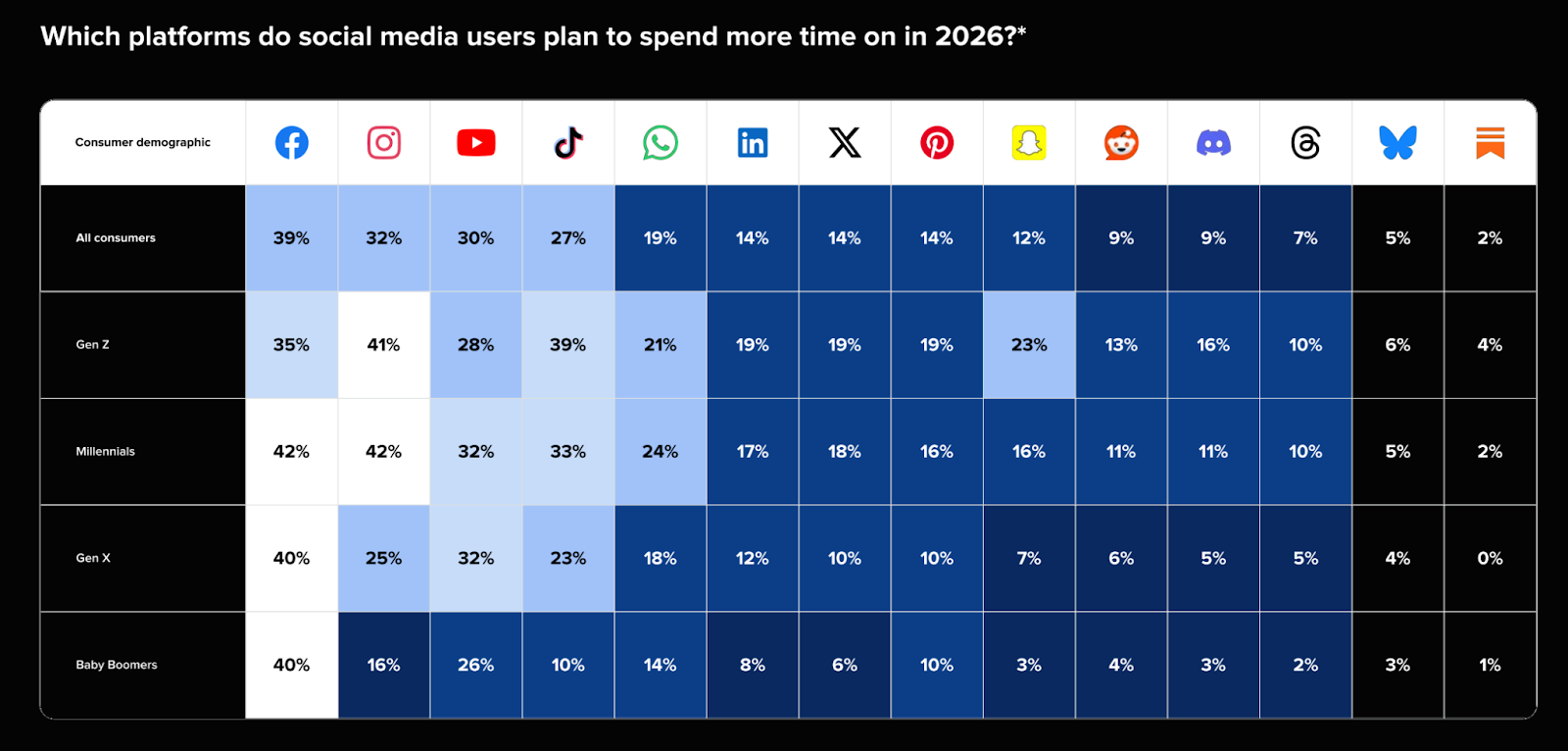
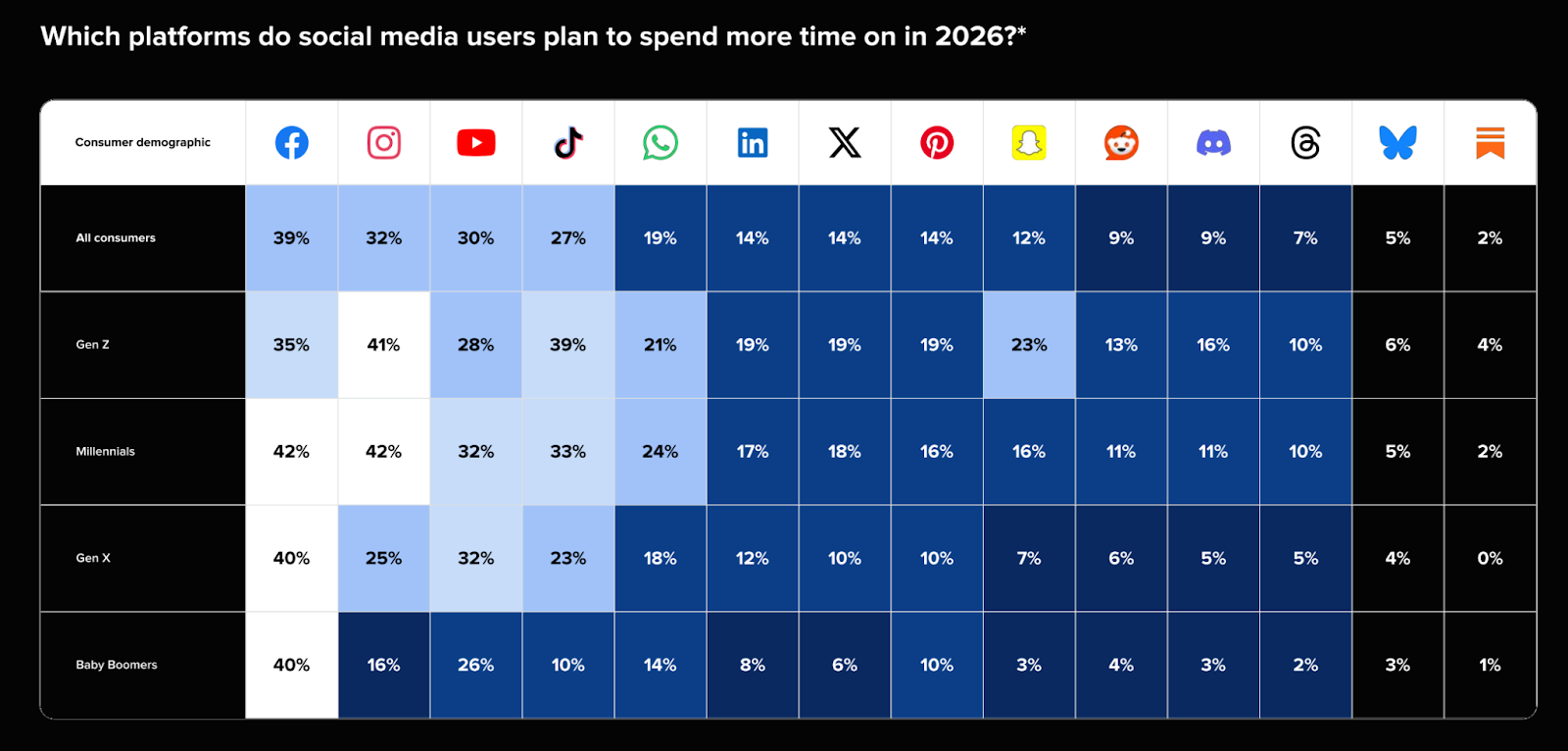
While these platforms dominate the UK market, viewing these trends through a wider lens helps future-proof your strategy. Sprout Social’s 2026 Social Media Content Strategy Report discoverd how different generations plan to distribute their time across these networks this year:
How to set up a social shop: Platform-by-platform guide
For social practitioners tasked with building these storefronts, the setup process varies between networks. Here is how to approach the primary channels:
TikTok Shop UK
TikTok requires businesses to register via the TikTok Seller Centre. You will need a registered UK company and valid identification. Once approved, you can sync your product catalogue and begin tagging products in your organic videos. The real power here lies in the Affiliate Centre, which allows you to set commission rates for TikTok creators to sell your products on your behalf.
Instagram and Facebook Shops
Meta has streamlined its commerce manager. You must link your Facebook Page and Instagram business account via Meta Business Manager. From there you can upload your catalogue manually or sync it via partner platforms like Shopify. Ensure your checkout method is set to ‘Checkout on Facebook and Instagram’ to capture the true value of frictionless native buying.
Pinterest Shopping
Pinterest requires a business account and a claimed website. Once verified you can upload your data source (product catalogue). Pinterest will then automatically create Product Pins. Because Pinterest functions as a visual search engine, rich product metadata is crucial here for organic discovery.
YouTube Shopping
Often overlooked by brands, YouTube Shopping is a massive opportunity. Eligible channels can connect their Shopify or WooCommerce stores directly to YouTube. This allows brands to feature products below their videos, in live streams and via end screens. It is particularly powerful for complex products that require explanation.
The psychology of the scroll: Why UK consumers trust social commerce
If we want to understand why a user buys a £50 jacket from a video clip we have to look at the psychology of the purchase path.
The primary driver is the frictionless experience. There is substantial cognitive load required to:
- Leave an app
- Wait for a site to load
- Find a credit card
- Type in shipping details
In-app checkout bypasses this entirely.
Beyond convenience, there is the power of social proof. Roughly 70% of shoppers trust peer reviews over brand messaging. User-generated content acts as modern word-of-mouth. When a consumer sees someone who looks like them using a product in a real-world setting, trust is established instantly. Add the psychological triggers of urgency and scarcity, often seen in limited product drops or live stream flash sales, and you have a highly potent conversion environment.
How to build a winning social commerce strategy
For marketing leaders needing to justify ROI and allocate budget, a scattergun approach will not work. You need a structured framework.
First, identify your primary platform based on where your current organic engagement is strongest. Do not try to launch on TikTok, Instagram and Pinterest simultaneously. Second, integrate live shopping into your content calendar. Live stream commerce allows real-time product demonstration and direct Q&A, bridging the gap between physical retail and digital convenience.
Finally, lean into creator commerce. The days of polished, high-production brand ads are waning in effectiveness. Consumers want authentic, lo-fi content. Partnering with creators who already have your target audience’s trust is the fastest way to scale.
If you need a reliable way to measure these partnerships, Sprout Social’s influencer marketing tools allow teams to identify creators and measure campaign success with API-backed data.
How do you optimise a social shop for maximum conversions?
Setting up the shop is only the first step. For daily practitioners, optimisation is where the revenue is won or lost.
- Keyword-rich descriptions: Social networks are search engines. Ensure your product titles and descriptions use the terms your customers are actually searching for.
- Shoppable tags: Never post a product image or video without tagging the exact item. Make the discovery-to-purchase loop as tight as possible.
- Collection curation: Do not overwhelm users with your entire inventory. Curate specific collections based on seasons, trends or viral moments.
Artificial intelligence now plays a massive role in how products are surfaced to users. Predictive algorithms serve the right products based on past viewing behaviour. Using platforms with proprietary ML models can help your team work smarter, analysing which visual assets drive the highest conversion rates.
The power of seamless e-commerce integration
For teams managing multiple channels at scale, the true revenue multiplier comes from integrating your primary e-commerce platform, like Shopify, directly into your daily social media workflows.
By syncing your product catalogue with your central social management dashboard, you eliminate the friction of constantly switching tabs to hunt for product URLs. Here is how that integration elevates your daily output:
- Streamlined campaign scheduling: Social practitioners can effortlessly attach direct product links while scheduling posts across all profiles simultaneously.
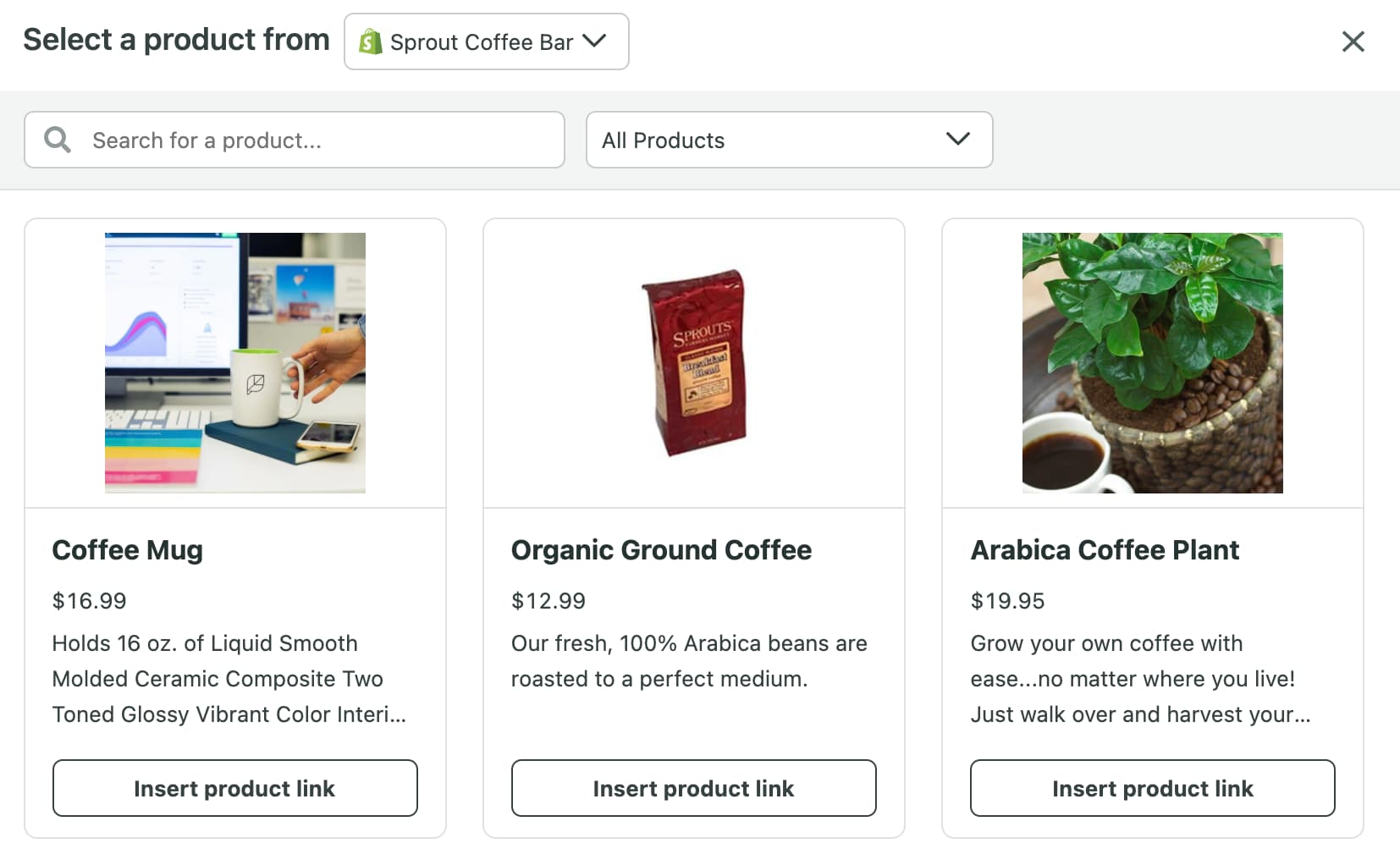
- Conversational commerce: When a user asks about fit or availability in a direct message, your community managers can instantly pull from the synced catalogue and drop a trackable product link right into their reply.

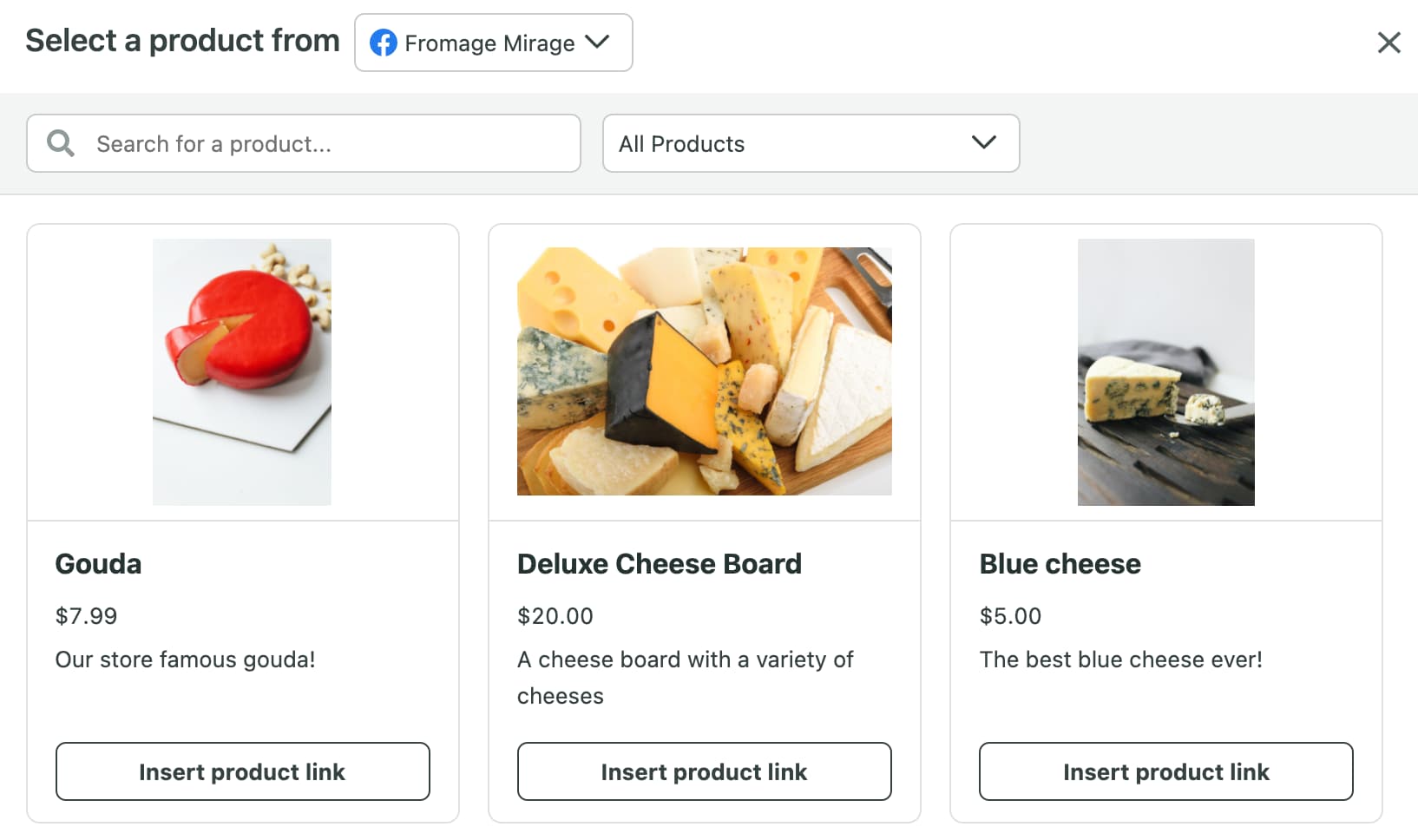
Ultimately, this workflow turns routine community management into an immediate, frictionless revenue stream.
Can B2B companies use social commerce?
There is a misconception that social commerce is strictly for B2C retail. While you might not sell enterprise software via an Instagram shoppable post, B2B brands can absolutely leverage social commerce principles.
LinkedIn is the primary venue for this. By using LinkedIn Lead Gen Forms, B2B companies create a frictionless transaction. The user exchanges their data (the currency) for a high-value whitepaper, webinar registration or consultation (the product) without ever leaving the LinkedIn feed. It is the exact same psychological mechanism—removing friction to increase conversion.
Navigating the challenges: Data privacy and supply chain transparency
Social commerce is not without its hurdles. Brands operating in the UK must adhere strictly to Advertising Standards Authority (ASA) guidelines. Influencer partnerships must be clearly disclosed and any product claims must be verifiable.
Furthermore, product data accuracy is critical. If your inventory sync fails and a customer buys an out-of-stock item, the resulting negative review harms your algorithmic standing on the platform. Maintaining a single source of truth for your supply chain and ensuring robust data privacy practices are non-negotiable elements of maintaining consumer trust.
3 examples of UK brands dominating social commerce
Seeing the theory in practice is often the best way to understand the opportunity. Here are three UK brands setting the standard.
Charlotte Tilbury
Charlotte Tilbury has brilliantly adapted the high-touch beauty counter experience to the digital landscape through their Live Masterclasses. By hosting regular live shopping broadcasts led by expert makeup artists and influencers, they allow viewers to ask questions about skin tone matches and application techniques in real-time.

Source: Charlotte Tilbury
They solved the age-old problem of online beauty shopping, uncertainty, by replicating the bespoke in-store consultation experience digitally with instant, native checkout.
Boots
Boots is the perfect example of a UK heritage high-street brand successfully pivoting to modern social commerce. By collaborating with beauty influencers for dedicated TikTok Live events, they tap directly into high-intent Gen Z and Millennial audiences.

Source: Boots UK
Rather than forcing users back to their traditional website, Boots uses these live streams to offer real-time product demonstrations and exclusive broadcast-only bundles, significantly reducing friction and driving massive spikes in in-app sales.
ASOS
ASOS has mastered the multi-product checkout by turning editorial content into an instant retail environment. Rather than pushing single items, they feature male and female models in fully styled, aspirational outfits where absolutely everything, from the sunglasses down to the trainers, is tagged and shoppable.
Source: ASOS UK
They are not just selling a jacket; they are selling the entire look. By allowing users to add multiple items from a single Instagram or TikTok post straight to their native basket, ASOS massively increases average order value while keeping the friction practically at zero.
The future of your digital storefront
Social commerce is no longer an emerging trend; it is a key revenue channel. The brands that win will be those that stop treating social media as a billboard and start treating it as their flagship store.
Elevating your strategy from tactical posting to a unified commercial operation requires the right infrastructure. By centralising your analytics, engagement and social commerce data, your team can spot trends faster and convert engagement into measurable revenue.
Ready to unify your social commerce efforts?
Request a demo of Sprout Social today to see how intuitive workflows can transform your digital storefront.