The Secret Shift in Consumer Behavior That Businesses Can’t Afford to Ignore
Ever noticed how, despite feeling like the economy’s doing somersaults, folks just can’t seem to stop clicking “buy”? It’s like we’ve all suddenly turned into behind-the-scenes detectives—spying for the best price, hunting down coupons, and double-checking deals like our wallets depend on it (because, well, they do). This isn’t just shoppers tightening their belts; it’s a whole new shopping ritual born from a cocktail of economic jitters and savvy instincts. But here’s the kicker—small treats haven’t vanished; they’ve just gotten sassier with a price cap. So, what does this mean for marketers scrambling to catch the fleeting attention of more skeptical consumers? Dive into Feedvisor’s “2026 Consumer Commerce Report” to unravel the surprising ways consumers are balancing caution with desire—and how AI is becoming the trusty sidekick in this evolved quest for value. Curious? LEARN MORE.
Consumers feel worse about the economy, but they haven’t stopped shopping. They’re doing more work before they buy.
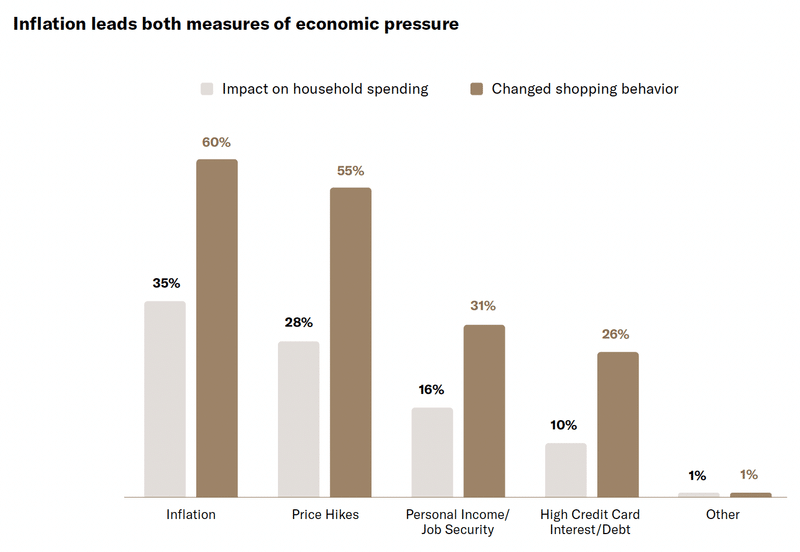
Eighty-seven percent of U.S. consumers surveyed for Feedvisor’s “2026 Consumer Commerce Report” said economic factors changed how they shop. Even so, 52% still buy online at least weekly and 88% at least monthly.

The bigger change is in the work around the purchase. Forty-five percent compare prices more than they did a year ago, 41% wait for sales, and 31% increased their use of coupons or cashback. Among those doing more price comparison, nearly half check three retailers before buying.
Consumers are still spending. They just want more proof that the money is well spent.
Small treats survived the squeeze
Financial pressure hasn’t wiped out discretionary spending.
Fifty-six percent buy something to improve their mood at least once a month, and 34% do it weekly or more. Clothing, groceries, and beauty top the list, but the spending stays modest: 44% cap those purchases between $10 and $20.

That’s a more useful signal than a simple “consumers are cutting back” story. People are still making room for small pleasures, but they’re putting tighter boundaries around them.
For marketers, that means value can still come from desire, convenience, or enjoyment. The offer just has to survive more scrutiny.
Consumers trust the deal less
That scrutiny is especially visible around promotions.
Only 49% said events such as Prime Day and Black Friday offer genuine savings. Twenty-eight percent said deal quality has declined or feels artificial, while another 15% said they suffer from sale fatigue and ignore promotions.

Younger and older consumers get there differently. Thirty-eight percent of 18- to-29-year-olds said deal quality has declined or feels artificial, compared with 22% of consumers 65 and older. Older shoppers are much more likely to tune out sales altogether.
Some shoppers still want the deal but want proof that it’s real. Others have heard “biggest sale of the year” so many times that they’ve stopped listening.
A louder discount won’t solve both.
Recommended Articles

AI fits the consumer’s new habit
AI is showing up inside the same comparison-heavy behavior.
Fifty-five percent have used AI to research or compare products in the past six months. What they want help with is mostly tedious work: 39% want AI to find the lowest price, 31% to compare products, 27% to find coupons, and 26% to track prices.

They’re much less willing to hand over control. Sixty-two percent said they would never trust an autonomous agent to place an order and pay without a manual checkout. After an AI recommendation, many still search Google or Amazon, read reviews, or compare alternatives.
AI fits a larger consumer habit: help me check the work, but let me make the call.
For brands, that means an AI recommendation can get a product considered, but the price, reviews, listing, shipping, and product information still have to hold up afterward.
There isn’t one holiday shopper
The holiday outlook looks almost flat at the national level. Thirty-one percent expect to spend more than last year, 33% expect to spend less, and 37% expect to spend about the same.
Underneath that average, the differences are large.
Among households earning more than $150,000, 43% plan to spend more. Among those earning less than $25,000, 22% plan to increase spending and 26% plan to cut it significantly. Consumers ages 18 to 29 are also far more likely to spend more than those 65 and older.
The calendar has spread out too. Sixty percent plan to begin most of their holiday shopping by the end of October, while only 11% wait until December.
For planning, the national average is less useful than the differences underneath it.
Some consumers still have room to spend. Some are looking for proof that the offer is real. Others have a hard ceiling on the total.
The full report can be downloaded here. (Registration required)
MarTech is owned by Semrush. We remain committed to providing high-quality coverage of marketing topics. Unless otherwise noted, this page’s content was written by either an employee or a paid contractor of Semrush Inc.

Constantine von Hoffman is senior editor of MarTech. A veteran journalist, Con has covered business, finance, marketing and tech for CBSNews.com, Brandweek, CMO, and Inc. He has been city editor of the Boston Herald, news producer at NPR, and has written for Harvard Business Review, Boston Magazine, Sierra, and many other publications. He has also been a professional stand-up comedian, given talks at anime and gaming conventions on everything from My Neighbor Totoro to the history of dice and boardgames, and is author of the magical realist novel John Henry the Revelator. He lives in Boston with his wife, Jennifer, and either too many or too few dogs.

Add us as a preferred source on Google
Google’s “preferred sources” feature allows users to customize their search results by selecting news outlets they want to see more often in the “Top Stories” section.
Related Articles
AI can make work faster while leaving teams unable to prove the value. The problem starts before launch, with weak baselines and success metrics.
Useful offers are common. Meaningful recognition is not, and consumers are quick to walk when brands ask for too much without a clear reason.
Advertisers plan to spend more, but slow activation and weak measurement can still cost networks money.
Companies are spending heavily on AI, but most agent projects are still short of full scale and many marketing teams can’t show clear financial value.











Post Comment