US Senator Pushes Radical Ban on Elected Officials Creating Memecoins—What’s Behind the Controversy?
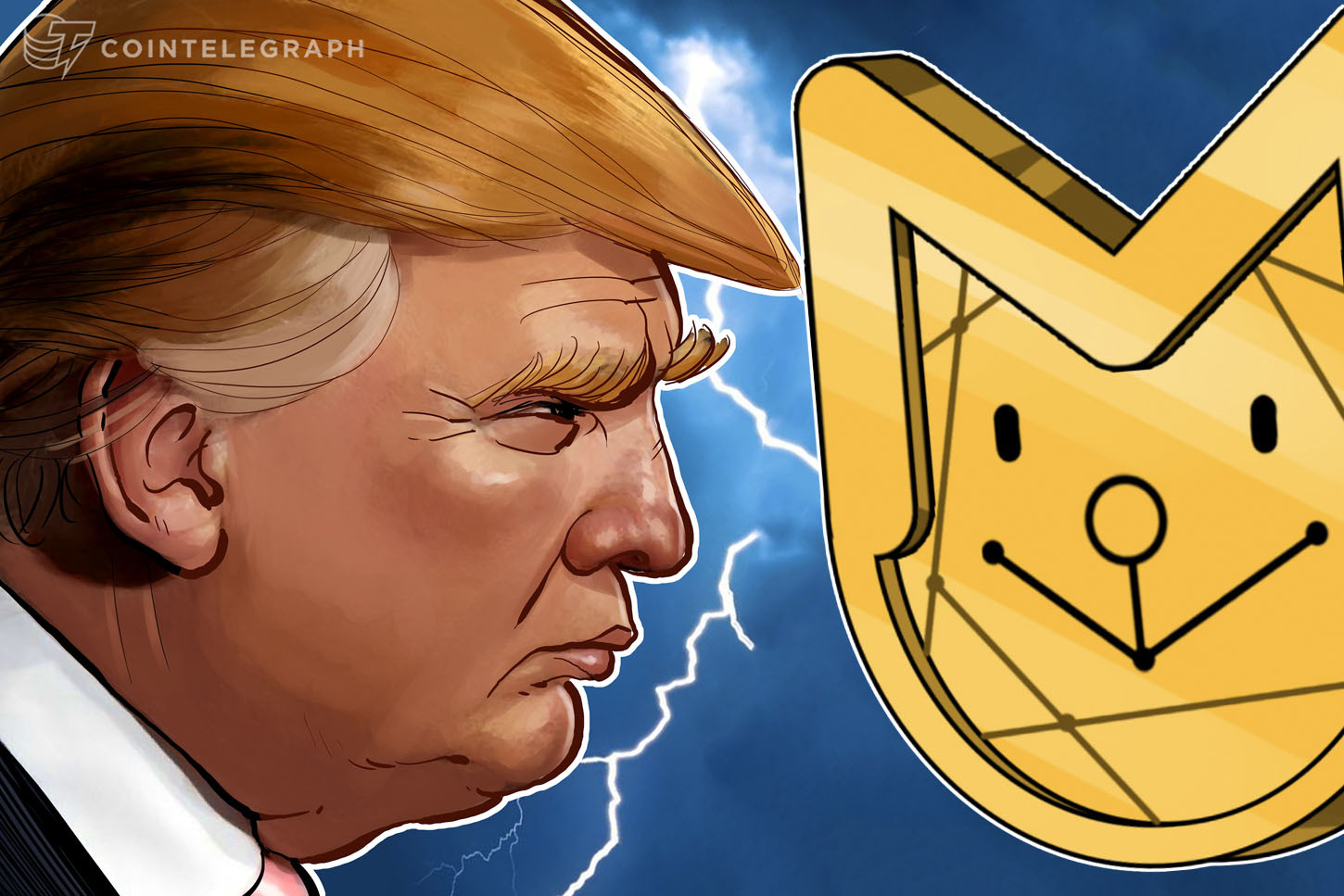
Ever wonder if presidents should be minting their own cryptocurrencies? Senator Kirsten Gillibrand certainly thinks not—and she’s taking a stand against elected officials and even their spouses from issuing or backing their own tokens. Yep, she’s pointing her finger squarely at President Donald Trump and First Lady Melania Trump’s memecoins, suggesting it’s about time Congress slams the brakes on this wild west of self-dealing in digital assets. It’s not just about banning memecoins; it’s about safeguarding consumer protections, cracking down on shady finance, and keeping economic opportunities fair for everyday Americans. With the Digital Asset Market Clarity (CLARITY) Act stuck in limbo over ethics fears, Gillibrand’s proposal raises bigger questions: Should those in power be profiting from cryptos while shaping the very rules that govern them? And what about the rest of their families? One thing’s for sure—this debate is far from over, and maybe it’s time to rethink who gets to print digital money in the halls of power. LEARN MORE
Senator Kirsten Gillibrand, one of the US lawmakers behind negotiations for a digital asset market structure bill in Congress, has proposed barring elected officials and the president from issuing or sponsoring their own tokens, citing President Donald Trump’s and First Lady Melania Trump’s memecoins.
In a Friday notice, Gillibrand said that Congress should support measures barring elected officials and their spouses from “issuing or sponsoring their own digital assets.” The New York lawmaker said that the proposed restriction would include any US president and their spouse, but did not specifically mention extending the provision to the office of the vice president or other members of their families.
“This is a commonsense requirement that should get broad bipartisan support – public officials and their spouses should not be issuing memecoins,” said Gillibrand. “We cannot let self-dealing destroy an opportunity to strengthen consumer protections, crack down on illicit finance, and expand economic opportunity for the millions of Americans our financial system has left behind.”
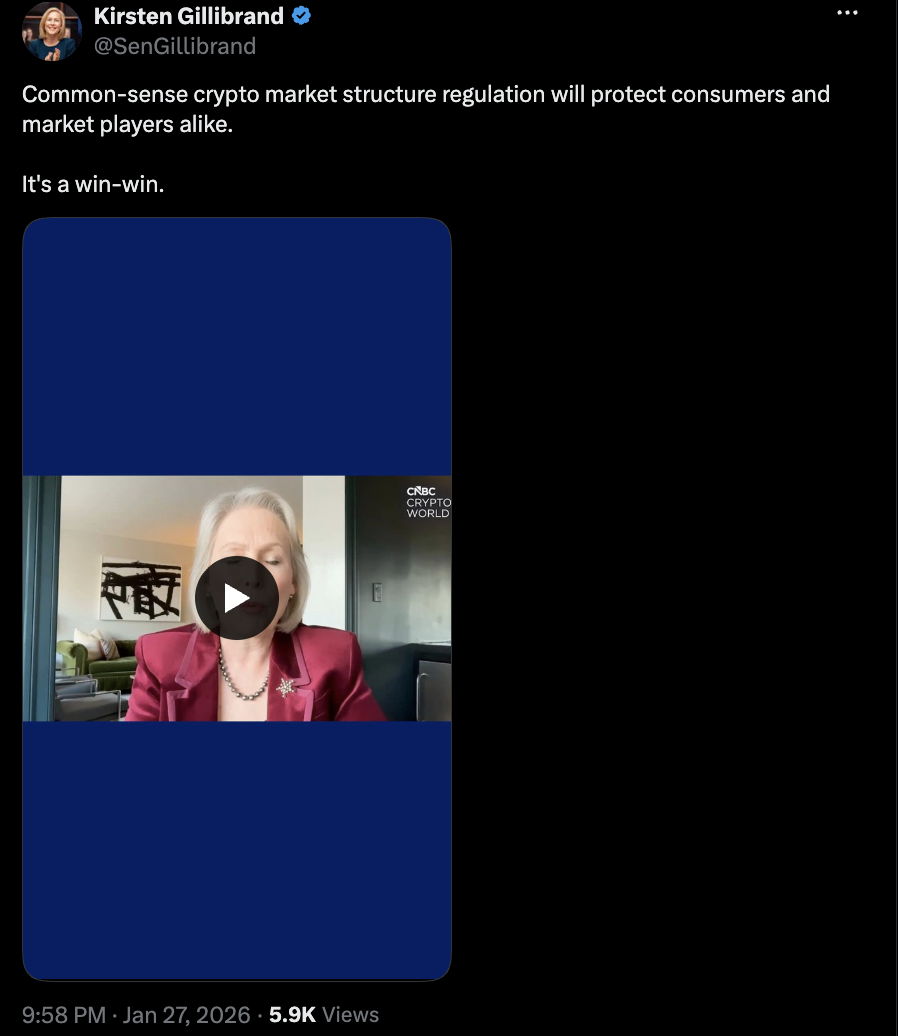
Source: Kirsten Gillibrand
Gillibrand is one of the lawmakers behind negotiations regarding the Digital Asset Market Clarity (CLARITY) Act in the Senate, legislation which has faced delays due to concerns about ethics, tokenization and stablecoin rewards. Although she expected the chamber to vote on the bill by the Senate’s August state work period, she added that no one would vote for the bill without addressing ethics, citing the potential of elected officials “[getting] rich off of these industries because of their insider status.”
Related: Senate Dems urge probe into $500M crypto deal between Trumps, UAE
During consideration of the Guiding and Establishing National Innovation for US Stablecoins Act (GENIUS Act) in 2025, the New York lawmaker said senators had removed provisions specifically targeting Trump’s ties to the crypto industry, including his memecoin Official Trump (TRUMP).
She said at the time that the memecoin was likely “illegal based on current law,” but addressing all of Trump’s ethics problems would make for a “very long and detailed bill.” Trump signed the GENIUS Act into law in July 2025.
Notably, Gillibrand’s proposed memecoin restriction did not appear to extend to other family members. In addition to his personal investments in the crypto industry, Trump has faced criticism over his sons’ involvement in the crypto platform World Liberty Financial and their Bitcoin (BTC) mining company American Bitcoin.
Trump brushes off conflicts of interest concerns with crypto industry
This week, Trump reported that he earned about $1.4 billion from crypto ventures the same year he took office. The financial windfall occurred while he was in a position to influence legislation on digital assets, including the GENIUS Act and the CLARITY Act.
According to Trump, there was “nothing illegal” and “nothing wrong” with profiting from his investments as president, while he did not directly answer questions about perceived conflicts of interest.
Magazine: The end of anonymity? AI could unmask crypto’s hidden identities