Unlock Colombia: The Secret Digital Nomad Visa Hacks for 2026 Revealed!
Thinking Colombia’s digital nomad visa is just another checkbox on your paperwork list? Think again. Sure, Colombia still shines as a hotspot for remote workers in Latin America—but the “walk in, get approved” story is long overdue for a reality check. It’s not just about submitting forms; it’s about crafting a solid application that can weather tighter scrutiny and setting up a smooth life on the ground—think reliable internet, comfy digs, work-friendly cafes, and a money game that doesn’t send you spinning. Without that solid stack, a visa’s little more than a golden ticket to fumble through a different time zone. So, if you’re ready to stop wingin’ it and want the full lowdown on what really makes Colombia tick for digital nomads—this is your starting point. LEARN MORE.
Most advice about the digital nomad visa Colombia treats approval like a paperwork formality. It isn’t. Colombia is still one of the most appealing bases in Latin America for remote workers, but the easy-entry narrative is outdated.
The challenge is twofold. First, you need an application that survives stricter screening. Second, you need an on-the-ground setup that lets you work smoothly once you land, meaning reliable data, decent housing, productive cafes, and a sane money workflow. A visa without that stack is just permission to struggle in a different time zone.
Colombia’s Digital Nomad Visa A Reality Check
Colombia’s visa works on paper because the country itself works for remote life. Medellín gives you routine fast. Bogotá gives you scale, business energy, and more neighborhood variety. The time zone fits North American workdays well, and daily life can feel easier than in many European nomad hubs.
But the popular advice misses the biggest issue. Since 2025, Colombian authorities have used “discretionary power” in ways that left many applicants unsure why they were denied, and approvals often hinge on an unclear assessment of the applicant’s interest to the country, not just income and remote status, as noted by BrightTax’s Colombia digital nomad visa guide.
That changes how you should think about the visa. This is not a casual application you file between flights. It rewards applicants who present a clean professional profile, coherent documentation, and a believable reason for choosing Colombia as a base.
What the visa is in practice
Colombia’s nomad route is a Type V visitor visa for remote workers with foreign income. It was authorized in late 2020 and became one of the earlier formal digital nomad frameworks in Latin America, with stays of up to two years and a structure that has remained attractive for North American applicants, according to Digital Nomads World.
That sounds simple. The catch is enforcement.
What works and what doesn’t
What helps:
- A clear remote work story: employee, contractor, freelancer, or founder, but easy to understand.
- Documents that line up: names, dates, income proof, insurance, and employer or client letters that all tell the same story.
- A practical relocation case: Colombia as a real remote base, not a vague travel whim.
What hurts:
- Messy freelance paperwork: scattered invoices, inconsistent bank statements, and unclear client relationships.
- Overconfident DIY submissions: especially if your documents need translation or formalization.
- Treating the process like a tourist extension: it’s a visa application, not a hack.
Colombia still deserves a place on any shortlist of South American bases. It just belongs on the shortlist of places where preparation matters more than hype.
If you’re still choosing between hubs before you commit, it’s worth comparing Colombia with other regional bases in this roundup of top digital nomad cities in South America.
Are You Eligible for the Colombia Nomad Visa
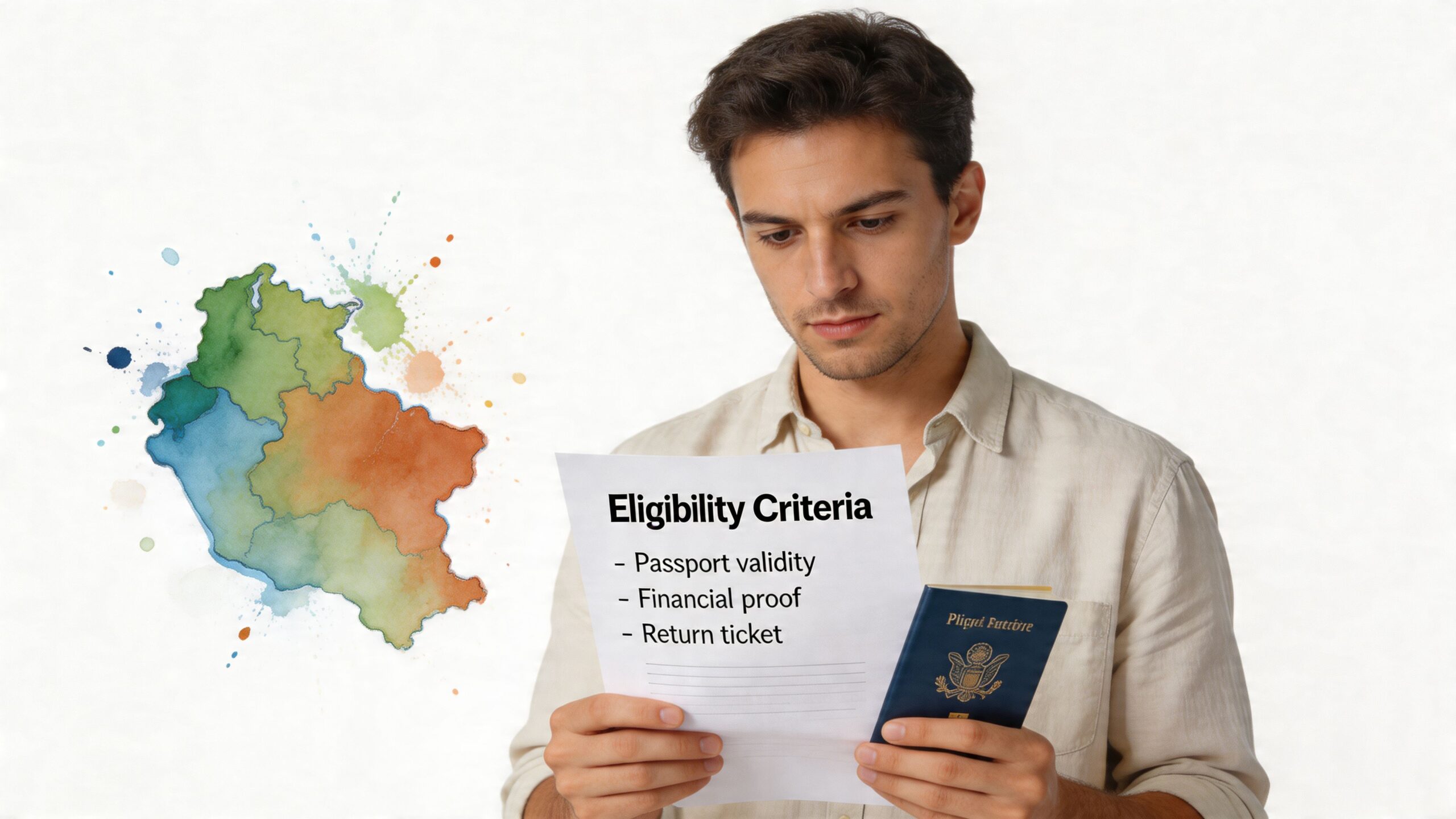
Eligibility is where applicants should slow down and get honest. The visa isn’t only about wanting to live in Medellín and answer Slack from a specialty coffee shop. It’s about proving that your work, income, and insurance fit the rules cleanly.
The core requirements
For 2026, applicants must show minimum monthly foreign income of COP 5,252,715, about $1,400 USD, and after approval and arrival you must register for a Cédula de Extranjería within 15 days to access local services such as banking and phone contracts, according to Medellín Guru’s digital nomad visa guide.
In practical terms, your file usually needs these pieces:
- A valid passport: not close to expiry, and matching every other document exactly.
- Proof you work remotely for foreign clients or employers: employment letter, contract, or a founder-style explanation if you’re running your own business abroad.
- Income evidence: bank statements or payment records that show stable foreign earnings.
- Health insurance: coverage that fits a long stay and doesn’t look flimsy.
- A coherent professional identity: the visa file should make it obvious what you do and why your income is generated outside Colombia.
Insurance products worth considering
Insurance is where people often buy the cheapest plan and hope nobody checks. That’s the wrong move.
SafetyWing is popular because it’s easy to buy online, familiar to nomads, and straightforward if you’re already moving between countries. It fits the lifestyle well. The trade-off is that budget-friendly nomad plans can feel generic if your case needs highly explicit coverage wording.
Genki feels more polished from a product standpoint. The buying flow is clean, policy information is easier to parse, and it’s often better for applicants who want stronger clarity when they download documents and submit them.
What matters most isn’t brand loyalty. It’s whether your policy documents are clear, current, and suitable for a multi-month or longer stay.
Practical rule: Buy insurance for compliance first, then for peace of mind. If the certificate looks vague, customer support is slow, or the wording is hard to understand, keep shopping.
Who usually fits best
This visa tends to fit three profiles:
- Remote employees with a formal employer letter in English or Spanish.
- Freelancers who can prove recurring foreign income across multiple clients.
- Founders or solo business owners with a clean explanation of their remote operation.
Freelancers can qualify, but they’re more exposed to weak documentation. If your income arrives through different platforms and not all of it appears neatly in one bank account, organize that now.
A useful prep read before you file anything is this breakdown of the most common questions about digital nomad visas. It helps clarify whether your profile is visa-ready or just travel-ready.
How to Apply for Your Nomad Visa Step-by-Step
Most applications don’t fail because the applicant is obviously unqualified. They fail because the submission is sloppy. Colombia’s online process punishes small technical errors more than many applicants expect.
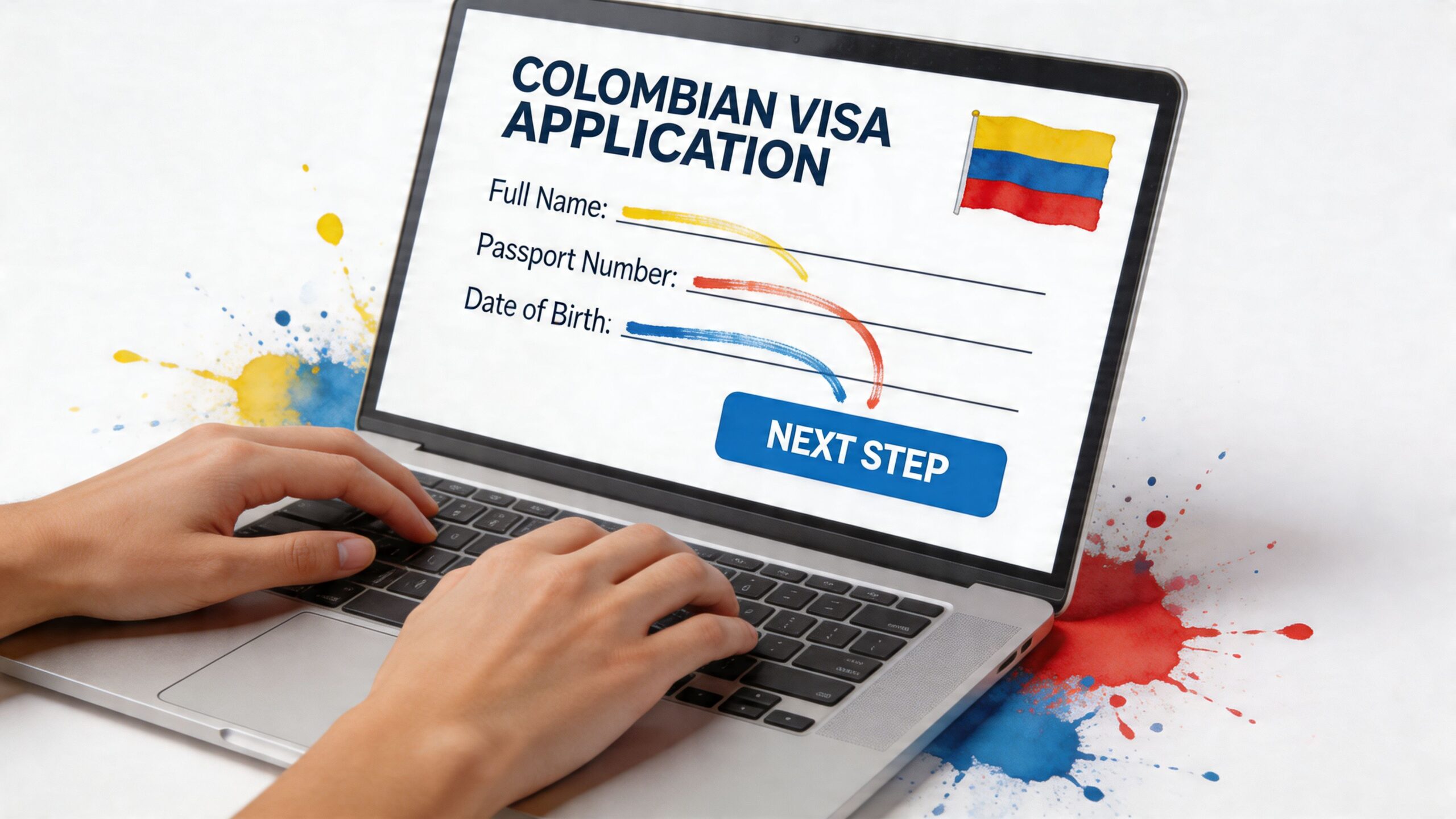
According to Citizen Remote’s Colombia visa guide, the online system has a 20 to 30% initial rejection rate because of formatting problems, missing apostilles, or documents that aren’t translated into Spanish when required. Applicants typically get only a 10-day window to fix issues before the application is withdrawn.
Step one, build your document pack before you touch the form
Don’t start in the portal and then go hunting for PDFs.
Prepare these first:
- Passport scan
- Employer letter or contracts
- Bank statements
- Insurance certificate
- Any supporting explanation letter if your case needs context
If your documents aren’t in Spanish, don’t guess on translation standards. A good reference point for document prep is this checklist on USCIS translation requirements. Colombia isn’t USCIS, but the discipline is the same. Use complete, accurate, professionally handled translations when the stakes are immigration status.
Step two, treat the portal like an audit trail
Every upload should be named clearly and checked twice. Keep a folder with the exact files submitted, plus a second folder with backup versions.
A practical workflow:
| Task | What to do |
|---|---|
| File naming | Use plain names like Passport, Bank Statement Month 1, Employer Letter |
| Version control | Save final PDFs separately from drafts |
| Translation check | Make sure translated documents match the originals |
| Submission log | Record the date and screenshot key submission screens |
That sounds obsessive. It’s not. When immigration asks for corrections, speed matters.
Step three, avoid the common own goals
Applicants usually create problems in three places.
First, they upload documents that technically open but aren’t easy to read. Second, they submit income proof that doesn’t clearly connect to foreign remote work. Third, they assume English-only documentation will slide.
This is also where onward travel tools can help your broader travel setup, even if they’re not the heart of the visa file. If you’re planning entry logistics around approval timing, these best onward ticket reviews can help you choose a service that doesn’t create extra friction.
A video walkthrough can help before you hit submit:
Step four, submit once, then monitor like a hawk
After submission, watch your email and portal notices closely. If they ask for corrected documents, answer fast and neatly. A rushed patch job often creates a second problem.
The best applications read like they were prepared by someone who expects scrutiny, not by someone hoping nobody looks too hard.
Navigating the Approval and Rejection Process
After submission, the process gets psychologically harder. You can’t optimize much anymore. You wait, check email too often, and try not to interpret silence.
The uncomfortable part is that the outcome isn’t always transparent. In 2025, Colombia’s digital nomad visa program had a 58% approval rate, which means nearly 42% of 2,918 applications were rejected, partly because of stricter background checks and the use of discretionary power without transparent guidelines, according to Medellín Guru’s report on 2025 changes.
What approval usually means in practice
Approval is the moment when the bureaucracy starts becoming operational. You’ll receive the formal notice, handle the next administrative step required for issuance, and then shift into arrival planning.
At that point, the smart move is simple:
- Save every approval document offline
- Check names and passport details immediately
- Prepare your arrival admin before flying
- Book flexible early accommodation, not a long lease
A short hotel, serviced apartment, or monthly Airbnb near coworking-heavy neighborhoods is the low-drama move. It gives you time to handle registration, test internet quality, and avoid committing to a building that looks good on Instagram but works badly for daily life.
If you get rejected
Rejection is frustrating because it may not come with a clean lesson. Some denials are tied to document quality. Others seem tied to the broader tightening covered earlier.
What usually doesn’t work is reacting emotionally and immediately reapplying with the same package. What works better is rebuilding the file from the ground up. Tighten your income story, clean up translations, improve insurance paperwork, and remove anything ambiguous about your work.
A rejection doesn’t always mean you were ineligible. Sometimes it means your application wasn’t easy to approve.
That’s a hard distinction, but it’s an important one.
Your First 30 Days in Colombia A Nomad’s Checklist
The first month decides whether Colombia feels smooth or exhausting. The people who settle in well aren’t necessarily the most adventurous. They’re the ones who get boring logistics handled early.
Week one, legal setup and connectivity
Your first job is the Cédula de Extranjería process. Once approved and in-country, that registration enables practical daily life. Without it, too many normal tasks stay clunky.
Then fix your phone setup.
Airalo is the cleanest first-day move if you want data before leaving the airport Wi-Fi bubble. The app is simple, installation is fast on compatible phones, and it’s perfect for arrival week.
Holafly is useful if you value a more tourist-friendly setup and don’t want to think too much about topping up immediately. It’s easy, though some nomads prefer more flexibility over longer stays.
Local SIMs such as Claro or Tigo usually become the better option once you’re settled. They can be more practical for daily local use, but the process gets easier after your local admin is in place.
Week two, money and apartment reality
Before you even think about a local bank account, use Wise for cash management. It’s reliable for moving money, paying for housing, and reducing the chaos of card declines or bad exchange surprises.
For housing, don’t sign a long lease in your first neighborhood unless you’ve tested it on foot. In Medellín, a place can look ideal online and still be too noisy, too steep, or too far from the cafes and gyms you’ll use daily. In Bogotá, commute friction is the killer. Distances look normal on a map and feel completely different in real life.
A simple early checklist helps:
- Get data sorted first: eSIM on arrival, local SIM later if needed.
- Use flexible accommodation: at least until you know your routine.
- Withdraw judgment on neighborhoods: walk them morning, afternoon, and evening.
- Keep payments simple: Wise plus at least one backup card.
Week three and four, build your daily stack
This is when Colombia starts feeling livable rather than temporary.
Choose one coffee shop for focused work, one coworking option for heavy meeting days, one gym, one grocery routine, and one social anchor such as a language exchange, salsa class, or recurring meetup. Nomad life gets better when your city stops being a list of options and starts becoming a pattern.
For a fuller arrival setup, this digital nomad checklist for remote workers is a useful companion. It helps catch the things people forget until they need them urgently.
Your first month isn’t about seeing everything. It’s about removing friction so you can enjoy anything.
Best Coliving and Work Cafes for Nomads in Colombia
The right neighborhood matters more than the right apartment listing. In Colombia, the best setup is often a decent room in the right area with walkable coffee, groceries, and backup work spots nearby.
Medellín versus Bogotá for day-to-day remote life
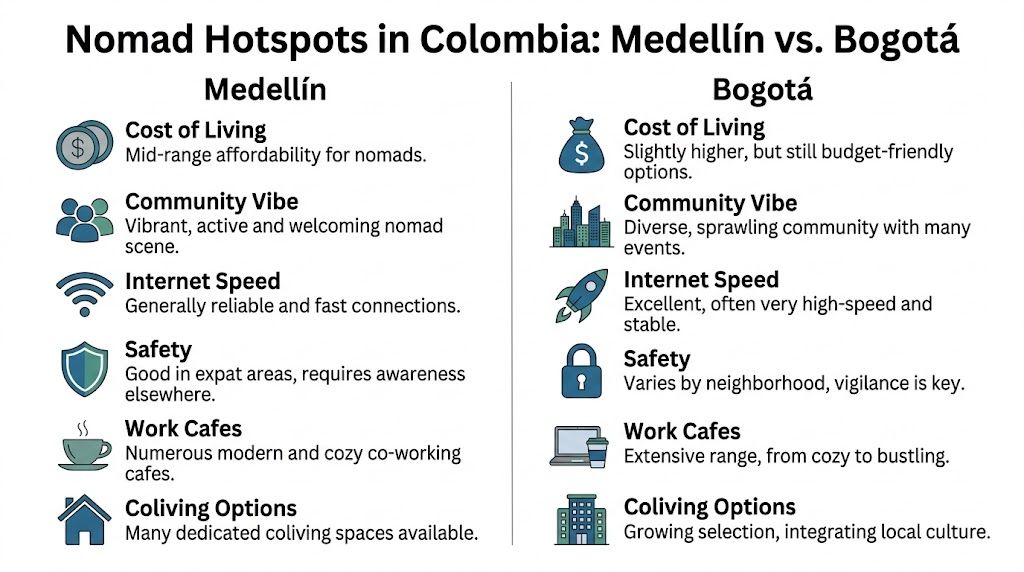
The broad split is simple. Medellín is easier to love quickly. Bogotá is easier to tailor if you want a bigger-city rhythm.
Medellín suits nomads who want walkability, social density, and a more obvious expat ecosystem. Bogotá suits nomads who want variety, stronger big-city energy, and more neighborhood choice.
Colombia Coliving Comparison (Medellín & Bogotá)
| Coliving Space | Location | Price Range (Private Room/Mo) | Best For |
|---|---|---|---|
| Selina Medellín | Medellín | Premium | Short stays, easy social entry, predictable setup |
| Viajero Medellín | Medellín | Mid-range | Travelers who want social energy and flexibility |
| Selina Chapinero | Bogotá | Premium | Nomads who want a central base with built-in community |
| Local boutique colivings in Chapinero or Zona G | Bogotá | Mid-range to premium | Longer stays, quieter routine, more local feel |
A few honest notes on those categories:
- Selina-style setups: easy landing, polished booking flow, reliable for people who want convenience first. The downside is that they can feel transient and less personal over time.
- Hostel-coliving hybrids: good for meeting people quickly, less ideal if you’re on calls all day.
- Small independent colivings: often the sweet spot once you’re staying longer, especially if you care about kitchen quality, quieter nights, and community that isn’t rotating every few days.
Work cafes that usually deliver
In Medellín, Pergamino remains one of the best-known nomad-friendly options because the coffee is consistently good and the working atmosphere is familiar to remote people. For longer focus sessions, many nomads rotate between cafe mornings and coworking afternoons rather than forcing one place to do both jobs.
In Bogotá, cafes around Chapinero, Zona G, and Parque 93 give you more range. Some are better for laptop work. Others are better for meetings. The trick is to test power outlets, table spacing, and music volume before declaring a place your office.
Use this filter when judging any work cafe:
- Can you take one call without annoying everyone?
- Is the seating still comfortable after ninety minutes?
- Does the staff tolerate laptops during busy periods?
- Would you trust the connection for client work?
The best cafe for nomad life isn’t the prettiest one. It’s the one you can return to three times a week without fighting the room.
Understanding Taxes and Backup Visa Plans
A Colombia digital nomad visa can solve one problem and create two new ones if you do not plan the full stack first. The visa itself is only part of the setup. Tax residency, health coverage, banking friction, and a realistic fallback plan matter just as much, especially now that more applicants are getting pushed into extra review or denied for weak files.
Tax planning without panic
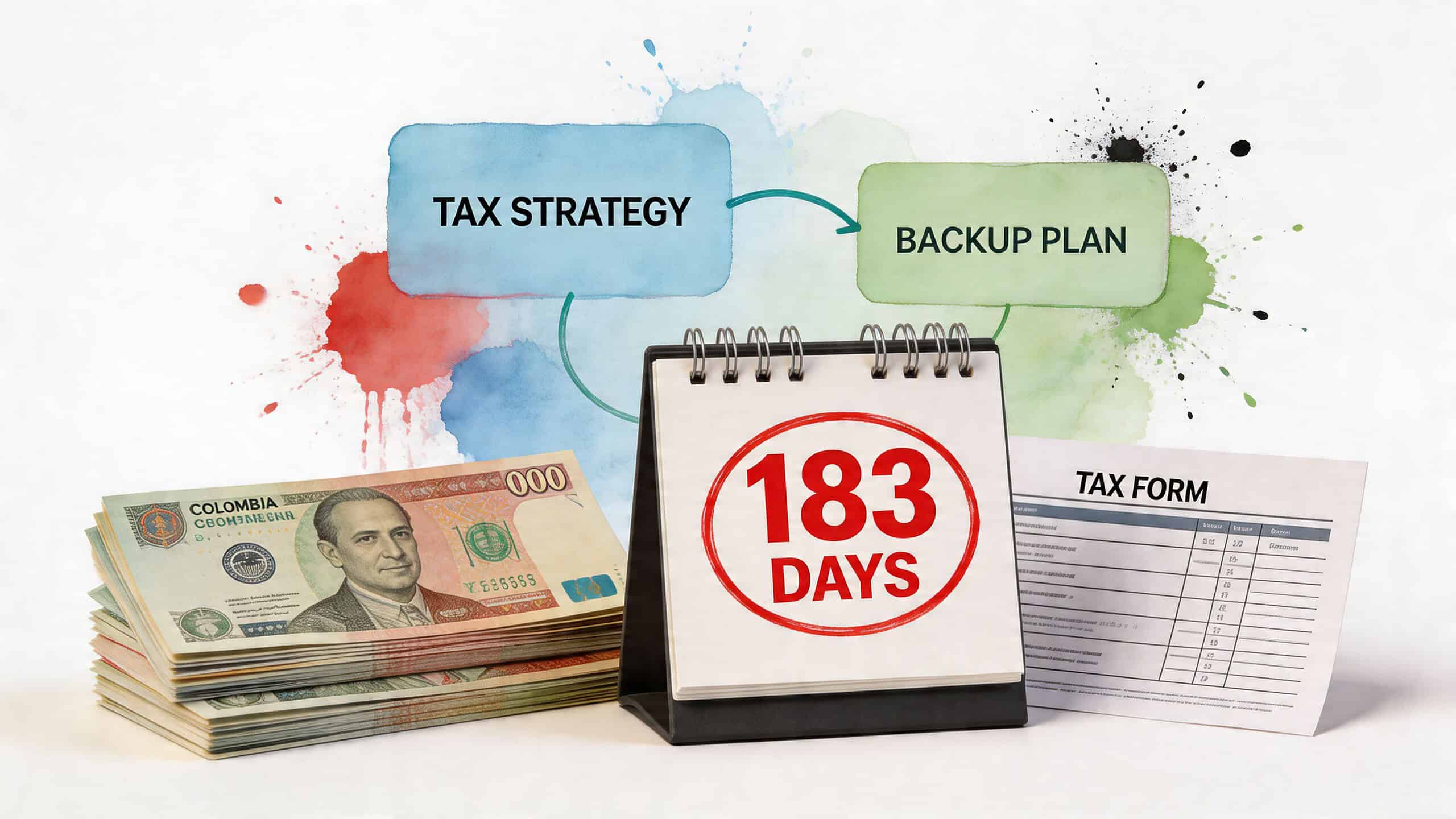
The practical tax question is simple. Will Colombia be your base, or just one stop in a wider circuit?
If you spend enough time in the country, tax residency can become a real issue. That does not mean the visa is a bad idea. It means you should decide in advance whether you want a long base in Medellín or Bogotá, or a shorter stay built around entry and exit dates. Many remote workers get into trouble because they optimize for visa approval first and only look at taxes after they have already booked a six-month apartment.
Review this guide to understanding taxes when you work remotely before you lock in lease dates, coworking memberships, or onward travel.
Insurance belongs in the same conversation. A cheap travel policy might satisfy your own risk tolerance for a short test run, but longer stays usually call for stronger coverage and clearer claims handling. If you are comparing plans, this overview of international private medical insurance helps explain what broader long-stay coverage usually includes.
Backup plans if the visa does not come through
This matters more now than it did a year ago. Rejections and document requests are common enough that I would not build a Colombia move around one application outcome.
The safer approach is to prepare two tracks at the same time:
- Visa approved: move into a monthly apartment or coliving, set up a local routine, and treat Colombia like a real base.
- Visa delayed or denied: enter only if your passport allows it under standard tourist rules, keep housing flexible, and avoid prepaid long commitments.
- File needs work: fix the weak point first, usually proof of income, employer wording, or inconsistent supporting documents, then submit again with a cleaner package.
That backup plan changes what you book on the ground. Choose housing with extension options. Use an eSIM setup that works across countries, not just Colombia. Keep your first coworking choice on a short pass instead of a multi-month deal. The people who handle a visa setback best are usually the ones who did not overcommit in week one.
Tourist status can still work for a trial run. It is better for people testing neighborhoods, checking internet reliability, and seeing whether daily life in Colombia fits their work rhythm. The visa makes more sense once you already know your stack: where you will live, where you will work, how you will stay connected, and how long you want to remain in the country.