Kansas Proposes Revolutionary Bill to Establish Nation’s First State-Backed Bitcoin Reserve—Could This Change Digital Finance Forever?
What happens when a state treasury decides to dip its toes into the cryptoverse without actually buying Bitcoin outright? Kansas lawmakers are exploring this very dilemma with Senate Bill 352, a curious proposal aiming to create a state-managed Bitcoin and digital assets reserve fund—powered not by direct crypto purchases but by unclaimed property. Imagine gathering digital airdrops, staking rewards, and abandoned crypto assets into a pot that’s part cautious, part innovative, all the while keeping Bitcoin itself neatly outside the general fund’s reach. It’s a clever twist, mirroring moves at the federal level and inviting us to rethink how public funds can engage with digital currencies. As Kansas navigates this legal labyrinth, it begs the question: could unclaimed digital wealth become the secret ingredient in future fiscal strategies—or is this just another governmental novelty? Either way, it’s an intriguing dance between tradition and the blockchain frontier. LEARN MORE.
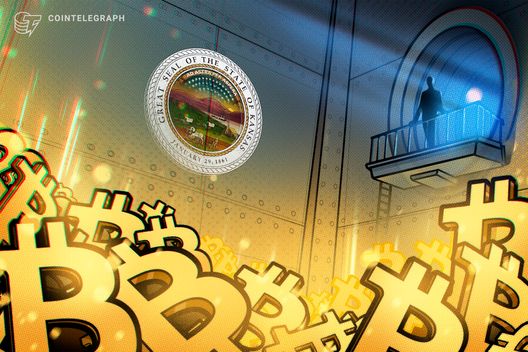
Lawmakers in the US state of Kansas are considering a bill that would create a state-managed Bitcoin and digital assets reserve fund funded through unclaimed property rather than direct purchases of cryptocurrency.
Kansas Senate Bill 352, introduced by Senator Craig Bowser on Wednesday, would establish a “Bitcoin and digital assets reserve fund” in the state treasury, administered by the state treasurer.
The fund would consist of airdrops, staking rewards and interest earned on abandoned digital assets held under Kansas’ unclaimed property law.
It would include cryptocurrencies and “other digital-only assets,” rather than any direct purchases of Bitcoin (BTC) by the state, broadly mirroring the White House’s decision to fund a US Strategic Bitcoin Reserve with forfeited BTC instead of buying coins on the open market.
Under the bill, 10% of each deposit of digital assets into the reserve fund must be credited to the state’s general fund, but Bitcoin itself would be kept out of the general fund.

SB 352 also amends Kansas’ unclaimed property statutes to define “digital assets” and “airdrops,” and to spell out how the state treats such assets when they are considered abandoned.
The bill was referred to the Committee on Financial Institutions and Insurance on Thursday after moving from the Federal and State Affairs Committee.
The new bill follows earlier Kansas proposals, such as Senate Bill 34, which would allow the Kansas Public Employees Retirement System to allocate up to 10% of its assets to spot Bitcoin exchange-traded funds (ETFs).
SB 34 was introduced in January 2025 and remains in the Senate Committee on Financial Institutions and Insurance.
Related: ‘Obscure’ laws stall Bitcoin reserve: White House Crypto Council director
Kansas and other states test Bitcoin legislation
Kansas is among a group of US states where lawmakers have introduced Bitcoin or crypto-focused bills, ranging from strategic reserve concepts to task forces and controlled allocations to digital asset products.
At the federal level, the administration of US President Donald Trump said it is moving forward with plans for a Strategic Bitcoin reserve and digital asset stockpile, funded with forfeited Bitcoin rather than new taxpayer purchases.
On Jan. 16, a senior White House official said the Bitcoin reserve remains a priority for the administration.
Outside the US, countries such as El Salvador and Bhutan have already incorporated Bitcoin into their national strategies through direct holdings, state-linked mining operations and using BTC to back longer-term development projects and special economic zones.
Magazine: How crypto laws changed in 2025 — and how they’ll change in 2026