Institutions Bet Big: The Hidden Crypto Derivatives Move That Could Shake Bitcoin Markets Forever

Is it just me, or does the rapid thrust of DeFi platforms like Hyperliquid make you question whether centralized exchanges still hold the crown for speed and transparency? As institutional investors wade deeper into the crypto options market, the dance of risk and reward is evolving faster than ever. With Bitcoin options’ open interest soaring past $65 billion and decentralized derivatives clawing their way up from 2% to over 10% market share, the lines between traditional and decentralized finance are blurring in a fascinating tug-of-war. How did we get here, and more intriguingly—where are we headed when gasless order books and layer-2 networks are rewriting the rules of engagement? Let’s dive in and explore why options, once niche, are now center stage for both mammoth fund managers and nimble traders alike. LEARN MORE.

DeFi platforms like Hyperliquid are demonstrating that decentralized exchanges can rival centralized venues in execution speed and transparency, according to Delphi Digital.
The cryptocurrency options market is expanding rapidly as institutional investors increasingly rely on instruments that allow them to define risk when managing large digital asset positions.
According to the crypto research firm Delphi Digital, trading activity in crypto derivatives has accelerated significantly. In fact, volumes on the Chicago Mercantile Exchange are currently running about 46% above the pace recorded during the exchange’s previous record year.
Crypto Options Market Expands
Delphi Digital said this growth indicates rising institutional participation, as funds and asset managers prefer options contracts because they allow investors to hedge large exposures while limiting downside risk to the premium paid. The firm noted that the move toward defined-risk instruments became more evident in mid-2025, when aggregate open interest in Bitcoin options reached $65 billion and exceeded Bitcoin futures open interest for the first time.
While futures are commonly used to gain leveraged exposure, options allow traders to cap potential losses on large positions, such as a $500 million Bitcoin allocation, while maintaining upside exposure. Delphi Digital explained that most of the current options activity is concentrated on a small number of centralized venues. For several years, the primary platform for crypto options trading has been Deribit, which gained additional institutional backing after being acquired in 2025 by Coinbase in a deal valued at $2.9 billion.
At the same time, options linked to the spot Bitcoin exchange-traded fund issued by BlackRock under the ticker IBIT introduced a new source of activity from traditional financial market participants after launching in late 2024. In addition to the rapid growth of centralized platforms, Delphi Digital said decentralized derivatives markets have also expanded, as their market share increased from about 2% to more than 10% over the past two years.
The firm pointed to the success of the decentralized trading platform Hyperliquid in demonstrating that decentralized exchanges can achieve performance levels similar to centralized venues in terms of execution speed and transparency.
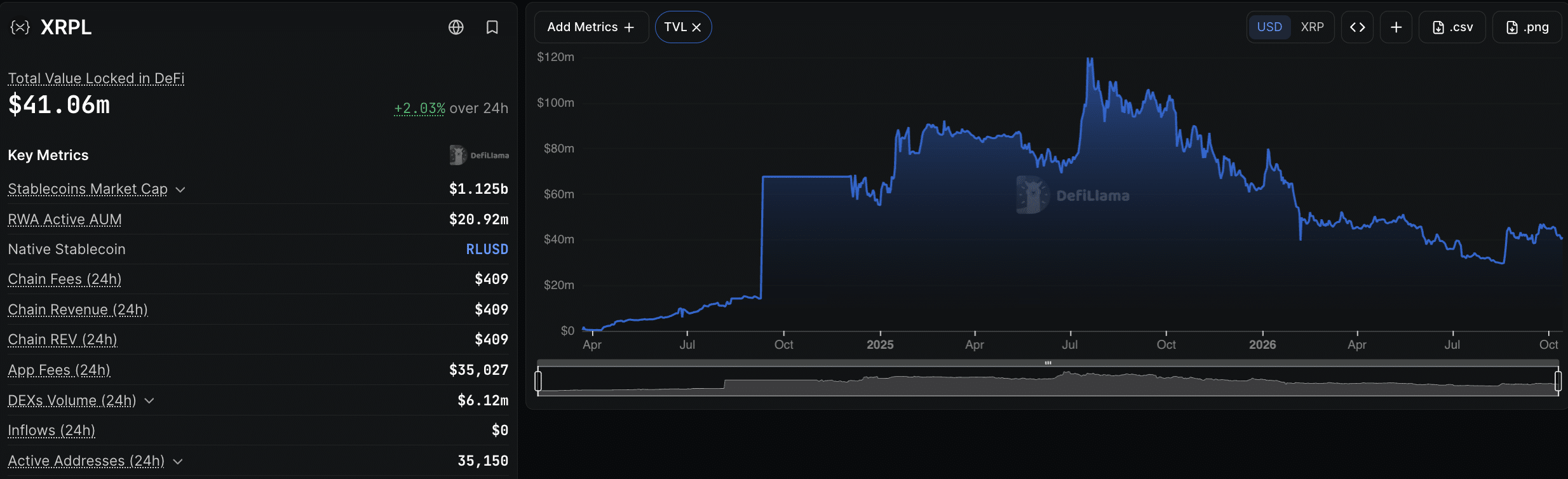
However, it said that on-chain options trading has not yet experienced the same level of adoption. Among decentralized options platforms, Delphi Digital identified Derive as the largest protocol currently operating in the sector, which reported more than $700 million in notional options volume over the past 30 days. The platform originally launched as Lyra in 2021 and later rebuilt its infrastructure in 2023 using a gasless central limit order book on its own OP Stack layer-2 network, which allowed market makers to quote directly on the order book and enabled traders to execute transactions without paying gas fees.
You may also like:
Another project developing similar capabilities is Kyan Exchange, which is currently operating in beta on the Arbitrum network and is preparing for a mainnet launch.
The research firm said demand for options is also tied to the growth of structured financial products used by asset managers, which rely on derivatives to generate yield while maintaining defined risk profiles. It pointed to income-focused strategies such as covered-call products used in traditional markets and noted that derivative income funds collectively manage more than $100 billion in assets.
Regulation Side of Things
Delphi Digital added that the regulatory environment surrounding crypto derivatives may also be beginning to change, citing a joint statement issued in September 2025 by the US Securities and Exchange Commission (SEC) and the Commodity Futures Trading Commission (CFTC) that enabled spot crypto asset trading on regulated exchanges.
Meanwhile, the Clarity Act bill, which aims to create clear regulations that should help promote cryptocurrency adoption, has hit an impasse. But if the legislation ultimately moves forward, it would represent a significant milestone for the industry.
Binance Free $600 (CryptoPotato Exclusive): Use this link to register a new account and receive $600 exclusive welcome offer on Binance (full details).
LIMITED OFFER for CryptoPotato readers at Bybit: Use this link to register and open a $500 FREE position on any coin!