Crypto Regulation Deadlock: What’s Really Fueling the Senate Clash Over the CLARITY Act?
Ever wonder why the Digital Asset Market Clarity Act—better known as the CLARITY Act—hit a massive political traffic jam just as America celebrated its 250th birthday? Yep, no floor vote, no cloture motion, and a tangle of disputes have the Senate gridlocked, with just a sliver of time left before the August recess shuts down any chance for a crypto regulation win in 2026. It’s more than a missed deadline; it’s a political math nightmare where key Republican seats and hesitant Democrats are keeping the bill stuck at Calendar No. 423. Can the senators untangle this mess in three short weeks, or is the CLARITY Act destined to be another footnote in crypto legislation history? Let’s dive into the complications behind this stalled bill and what’s really at stake before the clock runs out. LEARN MORE.
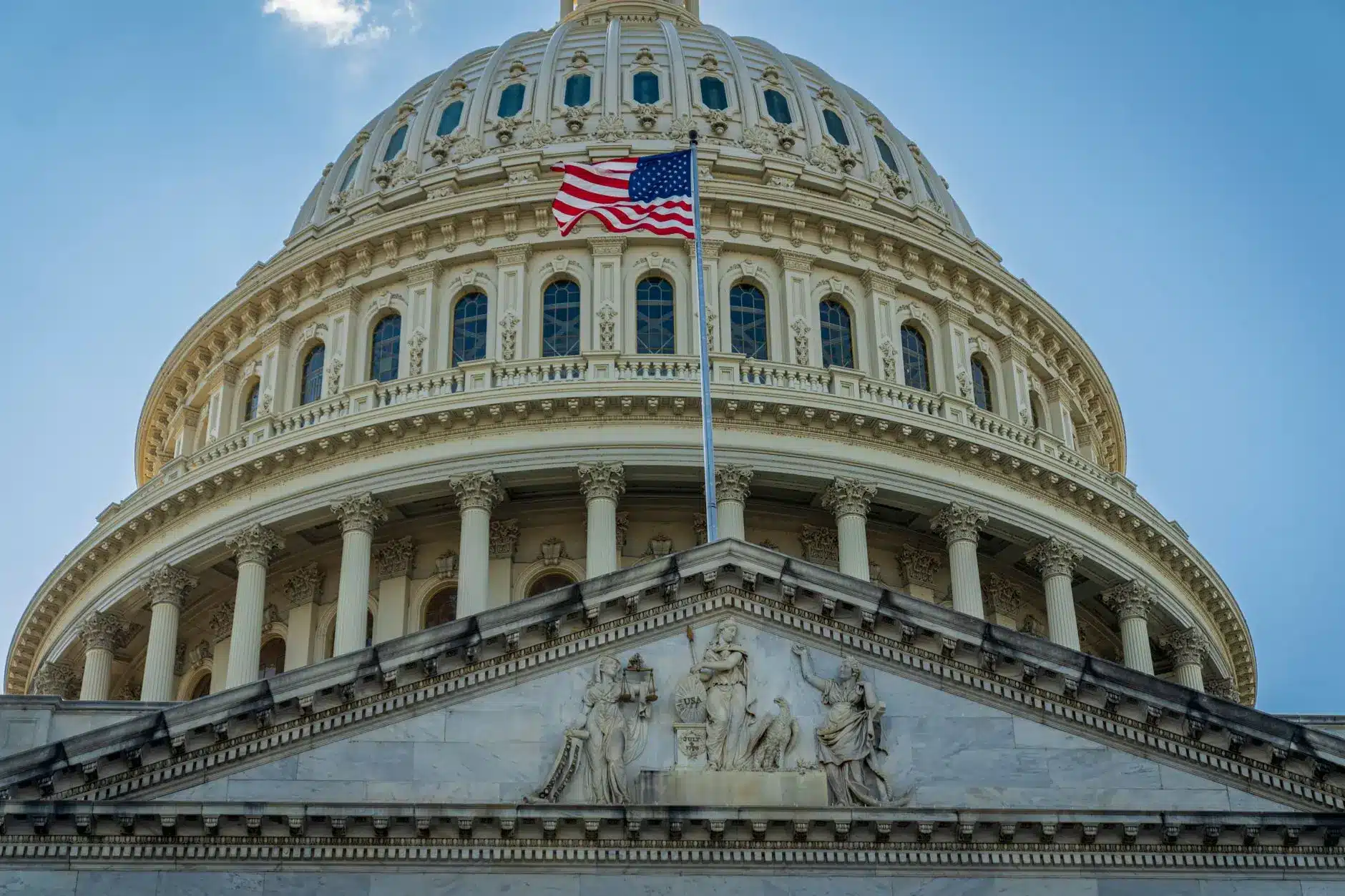
The Digital Asset Market Clarity Act, H.R. 3633, better known as the CLARITY Act, sat at Calendar No. 423 on the Senate Legislative Calendar as America’s 250th birthday passed on July 4, 2026, with no floor vote scheduled, no cloture motion filed, and three interlocking disputes still blocking the seven to nine Democratic votes required to clear the 60-vote filibuster threshold under Senate Rule XXII. The White House’s informal signing target came and went without ceremony.
The Senate returns from recess on July 13, leaving roughly three usable weeks before the chamber disperses for August recess, the window that analysts across Wall Street and Washington have consistently identified as the last realistic gate for crypto regulation 2026 passage.
This is not simply a missed deadline. It is a structural arithmetic problem: Republicans hold 53 seats, Senators Josh Hawley and Rand Paul are expected to vote no on substantive grounds, and only two Democrats, Ruben Gallego of Arizona and Angela Alsobrooks of Maryland, have voted for the bill, both with conditions attached to any floor support.
🚨 THE CLARITY ACT JUST MISSED ITS DEADLINE
It was supposed to become law by July 4. It did not happen
Aug 7 is now the real deadline. That is the last day the Senate is in session before summer recess and midterm campaign season take over the calendar.
Miss that date and this… pic.twitter.com/md2BRzq8TI
— Budhil Vyas (@BudhilVyas) July 6, 2026
Brian Gardner, chief Washington policy strategist at Stifel, wrote that the bill “probably needs to get through the Senate by the end of July” and that missing the August recess would cause its prospects to “deteriorate materially.” Beacon Policy Advisors has been more blunt, characterizing a miss as potentially ending the 2026 path entirely.
EXPLORE: Next Crypto to Explode in Q2
CLARITY Act News: How the Bill Arrived at Calendar No. 423
The Digital Asset Market Clarity Act passed the House on July 17, 2025, by a 294-134 margin, with more than 70 Democrats crossing the aisle, the strongest congressional endorsement of digital asset legislation in US history.
The Senate Banking Committee, chaired by Tim Scott of South Carolina, advanced the bill 15-9 on May 14, 2026, with Scott joined by Gallego and Alsobrooks. From calendar eligibility, the bill still requires a cloture motion, a successful 60-vote invocation, formal reconciliation with the Senate Agriculture Committee’s companion measure, and a presidential signature. None of those steps are complete.
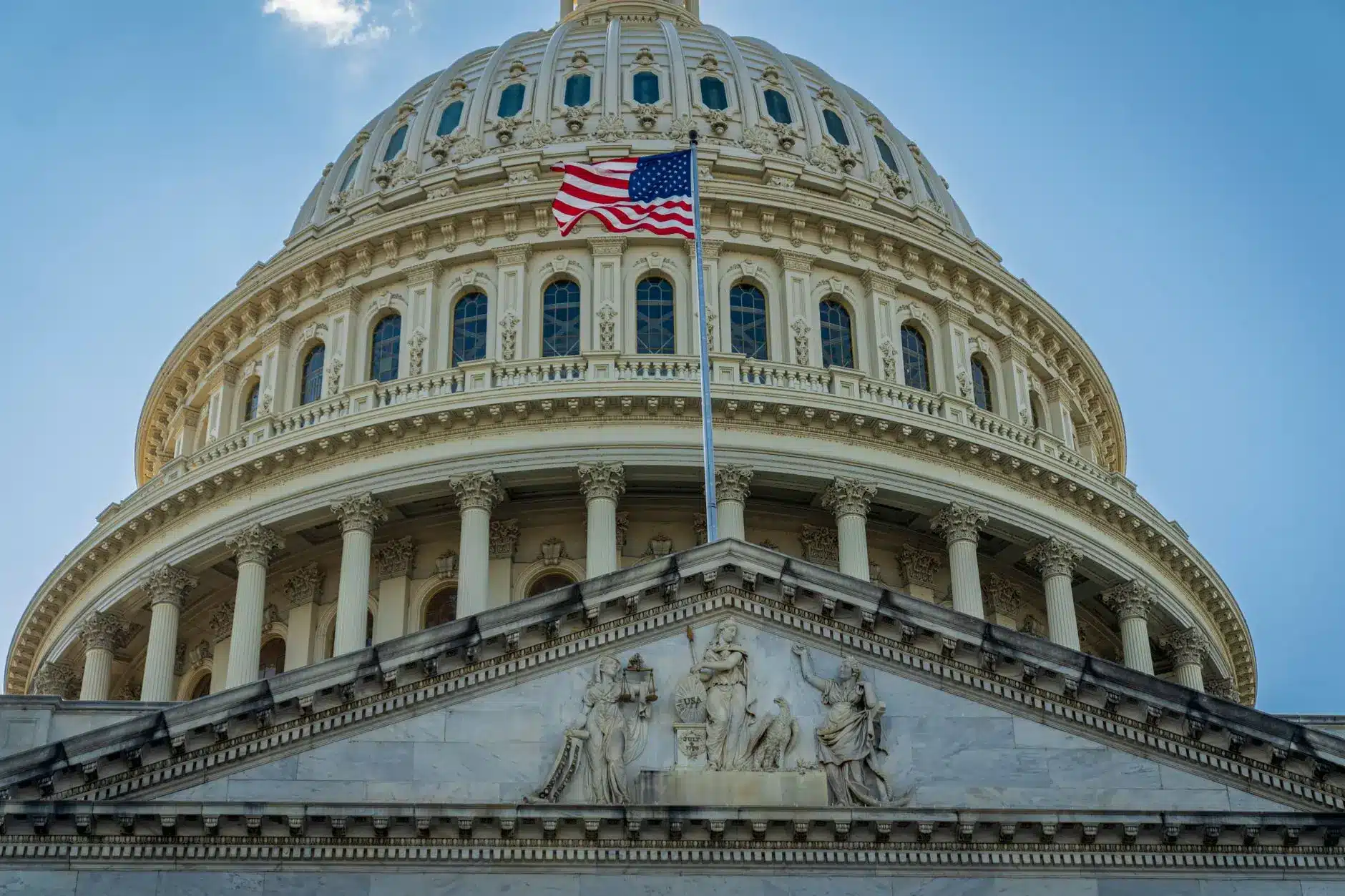
The compressed timeline is further crowded by competing Senate floor priorities. Majority Leader John Thune must weigh CLARITY against a long-term FISA Section 702 reauthorization and the annual National Defense Authorization Act.
Each cloture sequence, one on the motion to proceed, one on the bill itself, can consume the better part of a week under standard procedure, per CoinSpeaker’s earlier analysis of the procedural blockade.
DISCOVER: Best Meme Coins to Buy in 2026
The Three Unresolved Disputes Blocking Senate Passage
The first dispute centers on crypto insider trading and ethics disclosures. The Office of Government Ethics released President Trump’s 927-page financial disclosure on July 1, 2026, showing approximately $1.4 billion in cryptocurrency-related income during 2025, including $635 million from $TRUMP meme coin licensing and more than $500 million from World Liberty Financial token sales.
Senator Kirsten Gillibrand, among the chamber’s most crypto-friendly Democrats, has stated publicly that enforceable language covering government officials’ crypto holdings is a prerequisite for her floor support. An ethics amendment offered by Senator Chris Van Hollen failed 11-13 in the Banking Committee, and the White House opposes any provision targeting the president’s personal holdings, per reporting on the ethics negotiation breakdown.
LARGEST US EXCHANGE COINBASE SAID THE CLARITY ACT IS ABOUT TO PASS AND “UNLOCK A FLOOD OF INSTITUTIONAL CAPITAL”
HUNDREDS OF LARGE COMPANIES WILL INTEGRATE ABOUT #BITCOIN AND CRYPTO WITHIN MONTHS
“PEOPLE WILL USE IT TO RAISE MONEY AND PROVIDE SERVICES JUST LIKE THE… pic.twitter.com/BylCpTJ0VS
— The Bitcoin Historian (@pete_rizzo_) July 6, 2026
The second dispute involves Section 604, which incorporates the Blockchain Regulatory Certainty Act (BRCA) and shields non-custodial software developers from money-transmitter registration and Bank Secrecy Act obligations, a provision the DeFi regulation community regards as the bill’s most practically significant innovation.
The National District Attorneys’ Association argued in a letter to Senate leadership that Section 604 would materially impair criminal investigations involving cryptocurrency. The White House Crypto Council convened law enforcement groups and secured the first-ever endorsement of the CLARITY Act from the National Organization of Black Law Enforcement Executives, but the core Section 604 dispute remained unresolved entering recess.
The third dispute concerns stablecoin yield. Coinbase earns approximately $1.35 billion annually in USDC rewards revenue; whether that survives the bill’s final text depends on the language the American Bankers Association argues creates a loophole allowing digital asset platforms to offer interest-equivalent yields outside the GENIUS Act’s prohibition on issuer-paid interest. The GENIUS Act itself was signed into law on July 18, 2025, with its own rulemaking deadline falling on July 18, 2026, the same week the Senate resumes floor work.
EXPLORE: Next Crypto to Explode in Q2
Disclaimer: Coinspeaker is committed to providing unbiased and transparent reporting. This article aims to deliver accurate and timely information but should not be taken as financial or investment advice. Since market conditions can change rapidly, we encourage you to verify information on your own and consult with a professional before making any decisions based on this content.

Neil is a professional cryptocurrency content writer with years of experience. He has written for various cryptocurrency websites to report on breaking news, and been hired by all sorts of cryptocurrency projects, to create content that would increase their exposure and attract more potential investors.