Clarity Act Crisis: Unraveling the 70-Page Expansion That Could Make or Break DAMCA’s Senate Future
Ever wonder what it takes to blend Senate Banking and Agriculture Committees’ handiwork into one colossal piece of legislation—stuffed with over 70 new pages—just to tackle the wild world of digital assets? Well, the Digital Asset Market Clarity Act is gearing up to do exactly that, with a draft possibly dropping as soon as next week and heading for a Senate showdown around July 20. It’s not just a stack of paper; it’s a make-or-break moment to see if a crypto market framework can dodge the 60-vote hurdle before summer recess locks the doors on this legislative season. But here’s the kicker—ethics clauses are stirring quite the pot, with lawmakers demanding strict limits on government crypto ties, dragging negotiations through a labyrinth of compromises. Meanwhile, the White House’s recent letter adds another twist, calling out delays in agency nominations and stepping back from endorsing the latest draft. With the clock ticking, Senate debates looming, and the House tangled up in its own drama, the path ahead looks anything but clear. Ready to dive deeper into this legislative rollercoaster? LEARN MORE.
Clarity Act News: A unified draft of the Digital Asset Market Clarity Act, merging work from the Senate Banking and Agriculture Committees, may be released as soon as next week, with advocates expecting the legislation to reach the Senate floor during the week of July 20.
The merged text is said to have grown by more than 70 pages relative to prior versions, reflecting extensive committee-level negotiations, and places additional weight on consumer protections.
This is not simply a procedural update. It is a narrow-window pressure test for whether a crypto market-structure framework can survive the Senate’s 60-vote threshold before summer recess forecloses the legislative calendar entirely.
Clarity Act News: The Ethics Stalemate and What the AG Enforcement Clause Actually Said
The bill’s central unresolved fault line remains ethics restrictions. Senate Democrats have demanded language barring senior government officials, including the president, from maintaining financial ties to the crypto sector, and several lawmakers have stated publicly they will not vote yes without a workable compromise.
One idea under discussion would allow state attorneys general to bring suit for ethics violations, but according to CoinDesk’s reporting, progress on that mechanism has slowed significantly.
The 60-vote threshold is not aspirational framing; it reflects the procedural floor required to invoke cloture and end debate in the Senate. Even the two Democrats who voted to advance the Banking Committee’s version have signaled conditional support at best, warning that unresolved ethics language could pull their final votes. The ethics provision dispute and the mechanics of advancing the bill to a floor vote have been entangled since negotiations resumed in the spring.
A separate complication emerged Thursday when the White House sent a letter to Senate Majority Leader John Thune and Minority Leader Chuck Schumer asserting that Democrats had not submitted names for minority slots on the Securities and Exchange Commission (SEC) and Commodity Futures Trading Commission (CFTC).
Democrats, in a letter last month, had accused the Trump administration of refusing to engage with standard nomination processes for independent agency vacancies. The White House has also not engaged in the most recent negotiations on the merged text and has not signed off on it.
EXPLORE: Next Crypto to Explode in Q3
Clarity Act Senate Prospects: Calendar Pressure and the House Complication
The Senate’s remaining legislative runway before recess consists of three weeks in July and the first week of August. Floor debate alone could consume several of those days, and a defense spending bill may compete for chamber bandwidth. The tight window and what it means for passage odds has been a recurring concern among legislative observers tracking the bill.
One signal of incremental progress came on Wednesday in a letter from Senator Ron Wyden to Senate leadership expressing support for the bill’s developer-protection provisions, specifically the Blockchain Regulatory Certainty Act section, which would shield crypto developers from being classified as money transmitters under federal regulation if they do not handle customer assets. Preserving the BRCA has been a stated priority for the decentralized finance (DeFi) sector throughout the Clarity negotiations.
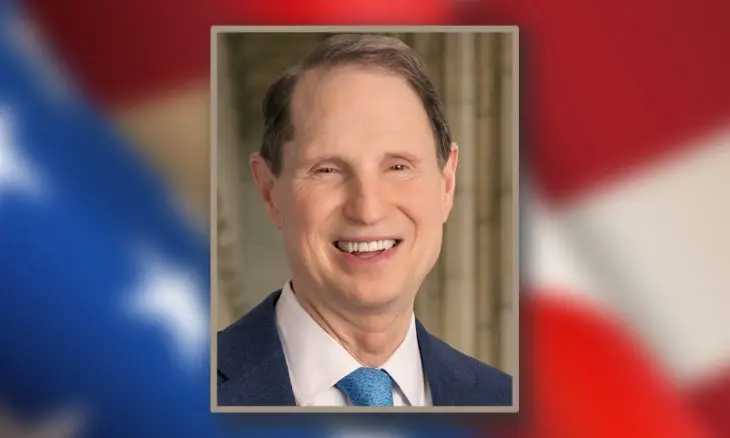
Photo: Ron Wyden
Even if the Senate acts, the House of Representatives, currently constrained by Republican infighting, would need to approve the Senate’s version before it reaches President Donald Trump’s desk.
Trump has declined to sign at least one other bipartisan legislative priority, the Senate’s housing bill, citing demands that Congress address his voting-rules agenda first. The structural obstacles that have stalled DAMCA throughout 2026 now include not just Senate arithmetic but downstream legislative uncertainty.
We suspect the release of the merged draft next week will function less as a final negotiating text and more as a forcing mechanism, designed to reveal whether Democratic holdouts can be moved before the calendar decision is made for them.
DISCOVER: Best Meme Coins to Buy in 2026
Disclaimer: Coinspeaker is committed to providing unbiased and transparent reporting. This article aims to deliver accurate and timely information but should not be taken as financial or investment advice. Since market conditions can change rapidly, we encourage you to verify information on your own and consult with a professional before making any decisions based on this content.

Neil is a professional cryptocurrency content writer with years of experience. He has written for various cryptocurrency websites to report on breaking news, and been hired by all sorts of cryptocurrency projects, to create content that would increase their exposure and attract more potential investors.