The Secret Battle Behind Retail’s Race to Control Creator Storefronts Revealed
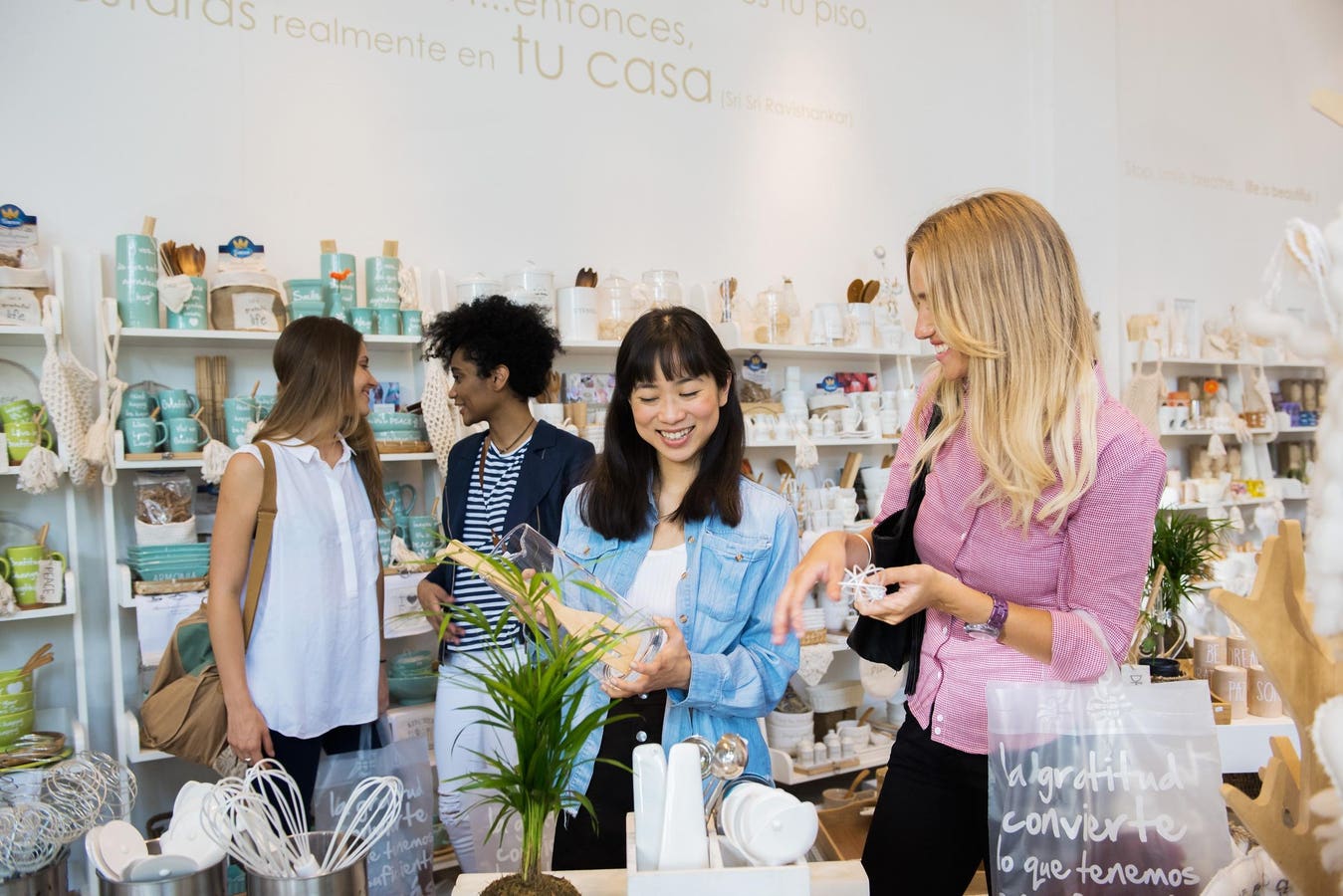
Ever feel like you’re trapped in one of those endless online rabbit holes—clicking here, scrolling there—just to buy that one product you saw on Instagram or TikTok? Yeah, me too. For years, creators were kind of like the pied pipers, leading shoppers through a digital maze until, hopefully, they landed on a brand’s checkout page. The platforms snagged the attribution glory, creators got a nod for influence, but retailers? They got the customer, sure, but zero insight into the mysterious journey behind each sale. Well, guess what? That old game is changing. Now, some savvy retailers are flipping the script—giving creators their very own digital playground, a fully branded second storefront where the shopping experience stays right on their turf. It’s like handing creators the keys to the kingdom while retailers finally keep the treasure map. If you think this sounds like just another shiny trend, think again. This is the stealth revolution redefining retail, powered by AI and fueled by the desire to own the customer journey, not just rent it. Ready to peek behind the curtain and see how giants like Sephora, Macy’s, Lowe’s, and even Amazon are reshaping commerce? Let’s dive in. LEARN MORE.

Lauren Newman is CRO at Button, an AI-powered commerce platform optimizing creator and affiliate marketing performance.
For most of the past decade, retail has leaned into creators. During that time, they’ve mostly let creators do their influencing somewhere else. A shopper discovers a product on Instagram or TikTok, clicks through a maze of links and eventually lands on a brand’s checkout page—if the journey survives the complex pathway. When that happened, the creator got credit for influence, and the platform got attribution. The retailer mostly got what they wanted. They got a customer, but they never really got the clarity around the data that explained how the sale actually happened.
That arrangement is ending because retailers have realized they can gain more control over the path by changing the destination.
Over the past year, a cluster of major retailers have quietly built something that looks obvious in hindsight: a second storefront. These storefronts live on their own domain, look like their own site and a creator curates them instead of a merchandiser. Sephora launched My Sephora Storefront last fall to stop routing creators, their commissions and their data through LTK and ShopMy. Macy’s has run its Style Crew program since 2018 and now points to it as an award-winning creator strategy. Lowe’s built the first creator network in home improvement, recruited MrBeast as a founding member, and just this summer, extended the model so creators can pitch and co-develop products, not just curate them.
Even Amazon, the largest player in retail, has shifted its focus to creator storefronts. And this is now the only medium creators can boost with paid media. One infrastructure vendor, Motom, powers storefronts for many top retailers, showing this has already moved past experimentation and into a full-blown category.
The story is that the storefront itself, the page where the data is collected and money changes hands, has become the destination. Retailers own this destination, and they now have more ownership and control over the who, what and when of the transaction, without losing the influence of the Influencer personality.
Retail Through The Lens Of The Creator
Instead of paying a creator to send traffic to a generic product page, the retailer gives the creator their own page to personalize. That second storefront is built around the creator’s aesthetic, picks and voice, but it runs on the retailer’s checkout. Shoppers transact on the site in a closed environment. The retailer never loses sight of the customer and retains the data. On the flip side, the creator becomes more of a merchant than a media placement.
Sephora’s team has been explicit that this isn’t affiliate marketing with better branding. They see this as a strategic shift and a structural change in who controls the customer journey. When checkout happens inside a creator’s curated environment rather than after a redirect to a generic listing, the retailer captures first-party data on a transaction it used to only see at the tail end. That’s a huge value. It’s why we have Retail Media Networks. It takes a broken, invisible customer journey and turns it into an advantage they can use for retargeting, upsell and more.
The Pop-Up Shop These Could Become
This strategy is not yet perfect. In most cases, they’re still product pages wearing a creator’s name tag. A curated grid of items like a profile photo and a bio. These are useful and far better than nothing, but not yet distinct from browsing the regular site with a filter applied.
The better mental model isn’t “storefront.” It’s to establish a pop-up shop that fully leverages AI tools to create fully customized skins, convincing the shopper into thinking this is a fully enabled Creator storefront. That creates the semblance of the retail format built entirely around a moment, a point of view and a host who makes the space feel like theirs even though the lease is someone else’s.
A pop-up doesn’t just rearrange the existing shelf; it lets creators use their own imagery or model the clothes themselves. One of my biggest frustrations as a consumer is discovering an outfit styled beautifully by a creator, only to click through to the retailer and find uninspiring stock photography that would never have convinced me to buy the item in the first place. The creator made me want the product, but the retailer’s experience does nothing to reinforce why I wanted it.
The retailers who get there first will let creators theme entire environments, not just which products appear. Imagine a Macy’s storefront during the holidays that a top creator has rebuilt around a specific occasion, indistinguishable in craft from a real pop-up experience, except it never has to close. That’s a fundamentally different value proposition to a creator than a 5% commission on click-throughs, and it’s a fundamentally different acquisition channel to a retailer than a banner ad.
Where This Goes Next
Lowe’s is the clearest signal of the ceiling on this model. Its Creator Network launched in 2025 as a fairly standard affiliate-and-storefront play. A year later, the company launched “Creator: Into the Blue,” letting creators pitch and co-develop products for retail distribution, with Lowe’s product and merchandising teams behind them. That’s the natural next step once a retailer owns the storefront relationship.
Analysts covering retailer-owned creator networks put the category at roughly $6 billion in 2026, growing nearly 25% a year, with curated creator storefronts cited as the preferred integration format, ahead of livestreams or standalone shops. That growth curve isn’t being driven by novelty. It’s being driven by retailers who did the math on what it costs to keep losing the customer journey to someone else’s platform.
Strategically, all retailers should pay attention to this. This isn’t a niche playbook for retailers with big influencer budgets. It’s what retail media could transform into once a retailer decides the point of sale belongs to them, not to whichever platform got there first. The brands moving now aren’t chasing a trend. They’re claiming the storefront before it gets defined for them.
Forbes Business Development Council is an invitation-only community for sales and biz dev executives. Do I qualify?









Post Comment