The Wearable Data Paradox: How Your Health Tracker Could Be Driving Up Medical Bills Instead of Cutting Costs
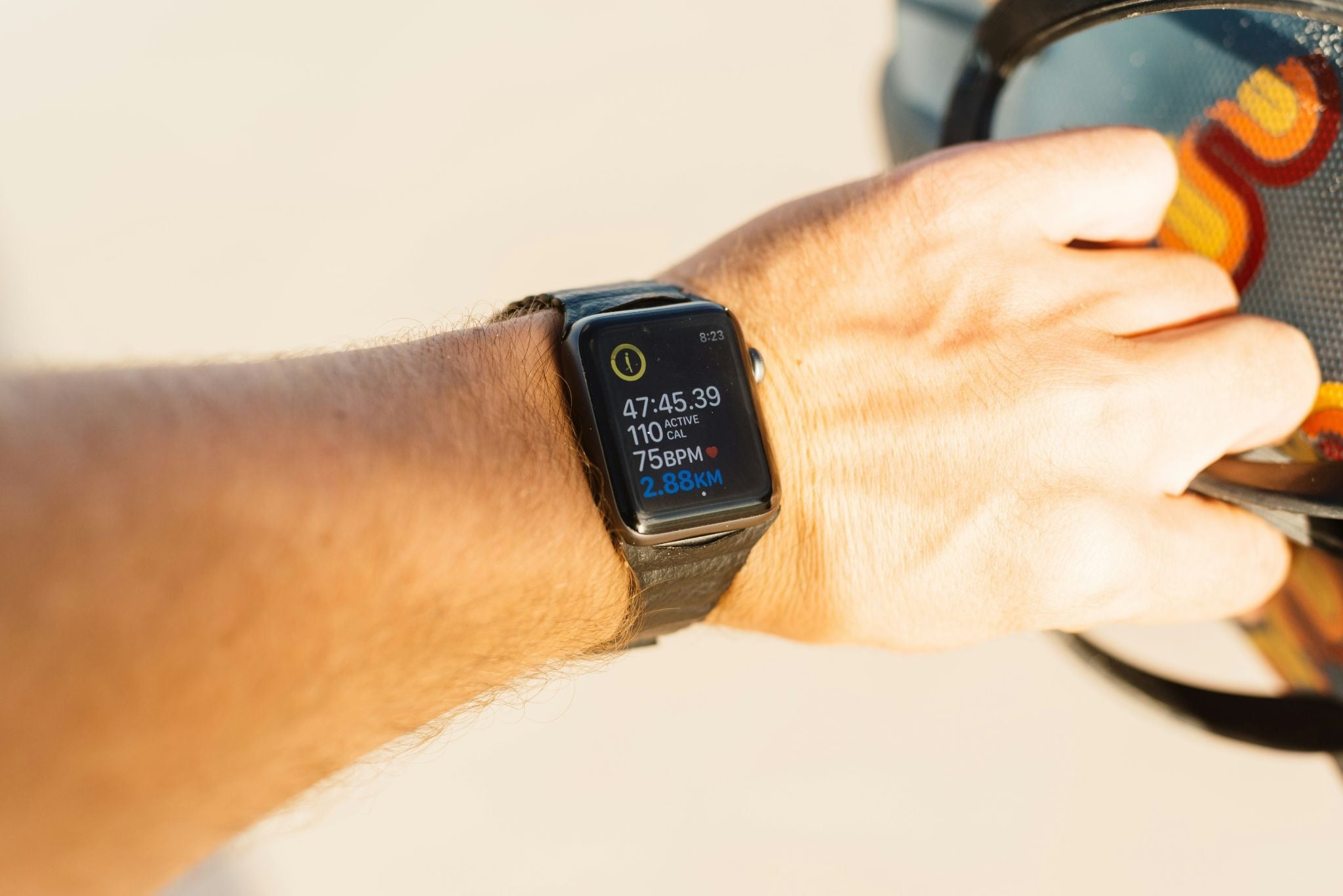
Wearable devices. They’re everywhere—wristbands tracking your sleep, smartwatches keeping an eye on your heart rate, even rings monitoring your stress levels. We all like to think these gadgets are our secret weapon for living healthier, smarter lives. But here’s the kicker: with all this data flowing in, why aren’t we seeing the seismic shifts in healthcare outcomes and cost savings everybody promised? It’s like having a treasure map but the ‘X’ never quite lines up. Jude Odu, a smart mind behind Health Cost IQ, puts it bluntly—it’s not the tech that’s broken. Nah, it’s the system these devices are trying to plug into that’s tangled, siloed, and downright stubborn. So, what’s really holding us back from turning those constant streams of steps and sleep data into game-changing healthcare moves? And more importantly, can we fix it before the cost of inefficiency drains more than just our wallets? Ready to dive deep into why wearable data feels more like a puzzle piece that doesn’t fit? LEARN MORE.
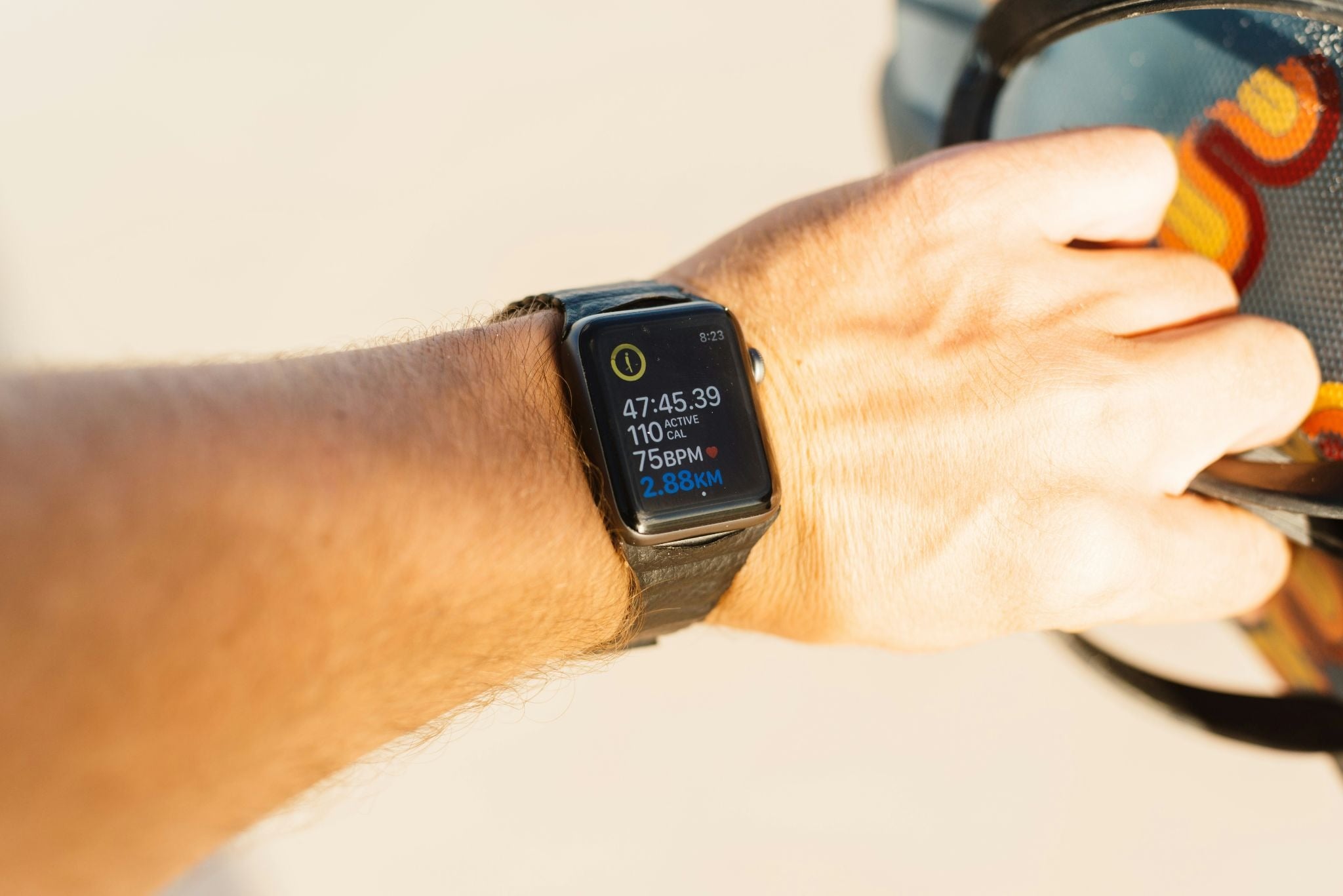
Wearable devices have become a symbol of modern health awareness. From tracking sleep cycles to monitoring heart rate variability, they promise a more proactive, data-driven approach to care. Adoption continues to rise, and with it, the expectation that more data will translate into better outcomes—and lower costs.
But that transformation has yet to fully materialize.
Despite the explosion of wearable data, most healthcare systems and employer-sponsored plans still struggle to turn that information into meaningful action. The issue, according to Jude Odu, Founder of Health Cost IQ and author of Model Optimal Care, is not the technology itself—but the system it is trying to plug into.
“The biggest barrier is fragmentation,” Odu explains. “Wearable data typically exists in isolation from the datasets that actually drive healthcare decisions for employers: medical claims, pharmacy claims, lab results, and other program outcomes.”
This disconnect has created a paradox. While individuals generate continuous streams of personal health data, the organizations responsible for managing care and costs often cannot access—or integrate—that information in a useful way. As a result, wearable insights remain largely observational rather than operational.
Odu points to a broader structural issue within employer health plans. “Medical claims sit in one system. Pharmacy data sits in another. Dental, vision, and behavioral health claims are often managed by entirely separate vendors with no data integration between them,” he says. “Wearable device data becomes yet another silo.”
Even when organizations attempt to bridge these gaps, technical limitations quickly surface. “Most wearable platforms use proprietary formats,” Odu notes. “There is no universal standard for how a heart rate trend from a smartwatch should be formatted, transmitted, or interpreted alongside a claims file or a biometric screening result.”
Without interoperability, integration becomes a costly and complex exercise—one that many employers are not equipped to manage. And beyond technical challenges, there is also a question of clinical relevance.
“Wearable data is consumer-grade,” Odu says. “It tracks steps, sleep cycles, heart rate variability, and skin temperature… but healthcare systems are built on clinical data, including diagnoses, lab results, and treatment records.” Bridging that gap requires validation frameworks that the industry has yet to standardize.
Yet even if these technical and clinical barriers were resolved, another challenge remains—one that is less visible, but equally decisive.
Trust.
“Trust is the prerequisite,” Odu emphasizes. “Without it, wearable device data integration will fail before it starts.”
Employees are increasingly aware of how sensitive their health data is, and many are wary of how it could be used. Questions around data ownership, privacy, and potential misuse—whether in the form of higher premiums or employment implications—can quickly undermine participation.
“Employees must own their wearable device data,” Odu says. “Employers should never take direct possession of patient-level wearable device data.” Instead, he advocates for aggregated, anonymized data pipelines managed by independent platforms, allowing organizations to extract insights without compromising individual privacy.
This balance between insight and protection is critical. Without it, even the most advanced wearable strategies risk low engagement and limited impact.
And that impact ultimately depends on more than just adoption.
“Wearables that are deployed as standalone wellness perks… have no practical value beyond the metrics they provide the wearers,” Odu explains. “The ones that succeed are embedded into a structured framework where wearable device data feeds into claims analytics, risk stratification, and care management workflows.”
In other words, the difference between success and failure is not the device—it is the system surrounding it.
For wearable-driven initiatives to deliver measurable results, organizations must be able to answer fundamental questions: Are conditions being detected earlier? Are costs being reduced? Are outcomes improving?
“If you cannot answer those questions with data, you do not have a strategy,” Odu says. “You have a cost center.”
That distinction is becoming increasingly important as healthcare costs continue to rise and employers face greater pressure to manage them effectively. Wearables offer a powerful new input—but only if they are integrated into a broader infrastructure capable of translating data into decisions.
“The technology to solve this does exist,” Odu adds. “AI-powered analytics platforms can ingest, normalize, and cross-reference multiple data sources.”
But technology alone is not enough.
“The willingness to break down vendor silos, invest in interoperable infrastructure, and demand full data access… is where most employers fall short.”
For now, the promise of wearable technology remains just that—a promise. The data is there. The tools are emerging. But until systems evolve to connect, interpret, and act on that information, the gap between potential and reality will persist.
And in a system defined by rising costs and increasing complexity, that gap may be the most expensive inefficiency of all.
SME Paid Under