Fed’s Deepest Rift in Three Decades: What It Means for the Future of Your Money
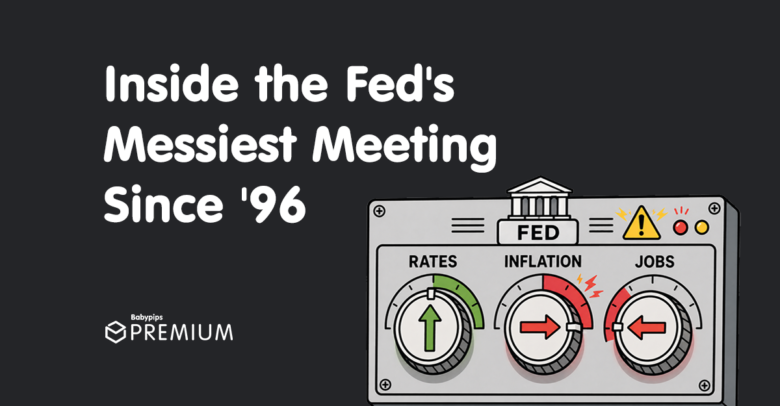
Ever sat through a meeting that seemed perfectly calm on the surface but left you wondering what just happened beneath the veneer? That’s exactly how this week’s FOMC gathering felt—a quiet pause in the action, yet a simmering storm of change in the Fed’s playbook. The Federal Reserve, that enigmatic ‘banker for banks,’ has kept its rates steady at 3.5%–3.75%, playing the delicate dance of its Dual Mandate: keep inflation in check while nudging employment upward. But don’t be fooled—this so-called “no-change” decision might just be the tectonic nudge that shifts the dollar’s fate for all of 2026. Makes you wonder—when the Fed speaks in whispers, is it really silence or just smoke and mirrors for the next big move? LEARN MORE.
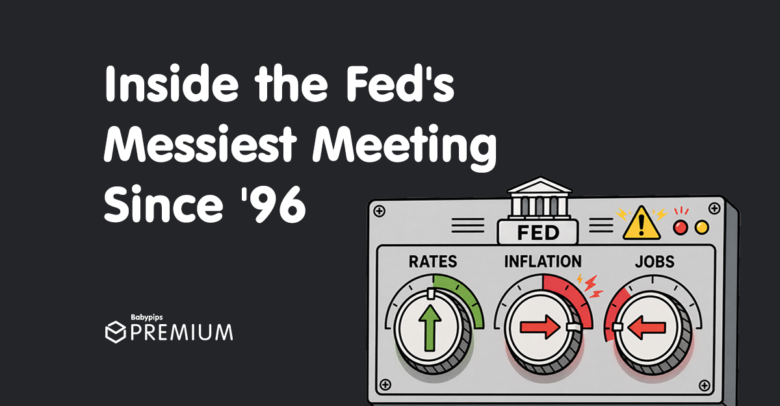
Financial markets are rarely boring, but this week’s FOMC meeting felt like the season finale of a high-stakes political drama.
For those new to central banking, the U.S. Federal Reserve is essentially the “banker for banks.” Its job is a balancing act known as the Dual Mandate: keep prices stable — meaning low inflation — while ensuring as many people as possible have jobs.
On the surface, the Fed’s decision looked like a non-event. No change. Rates held at 3.5%–3.75%.
But beneath that calm exterior, the tectonic plates of U.S. monetary policy are shifting — and for forex traders, the tremors could define the dollar’s direction for the rest of 2026.