Hong Kong’s Bold Move: Will New Crypto Licensing Rules Shake the Global Market?
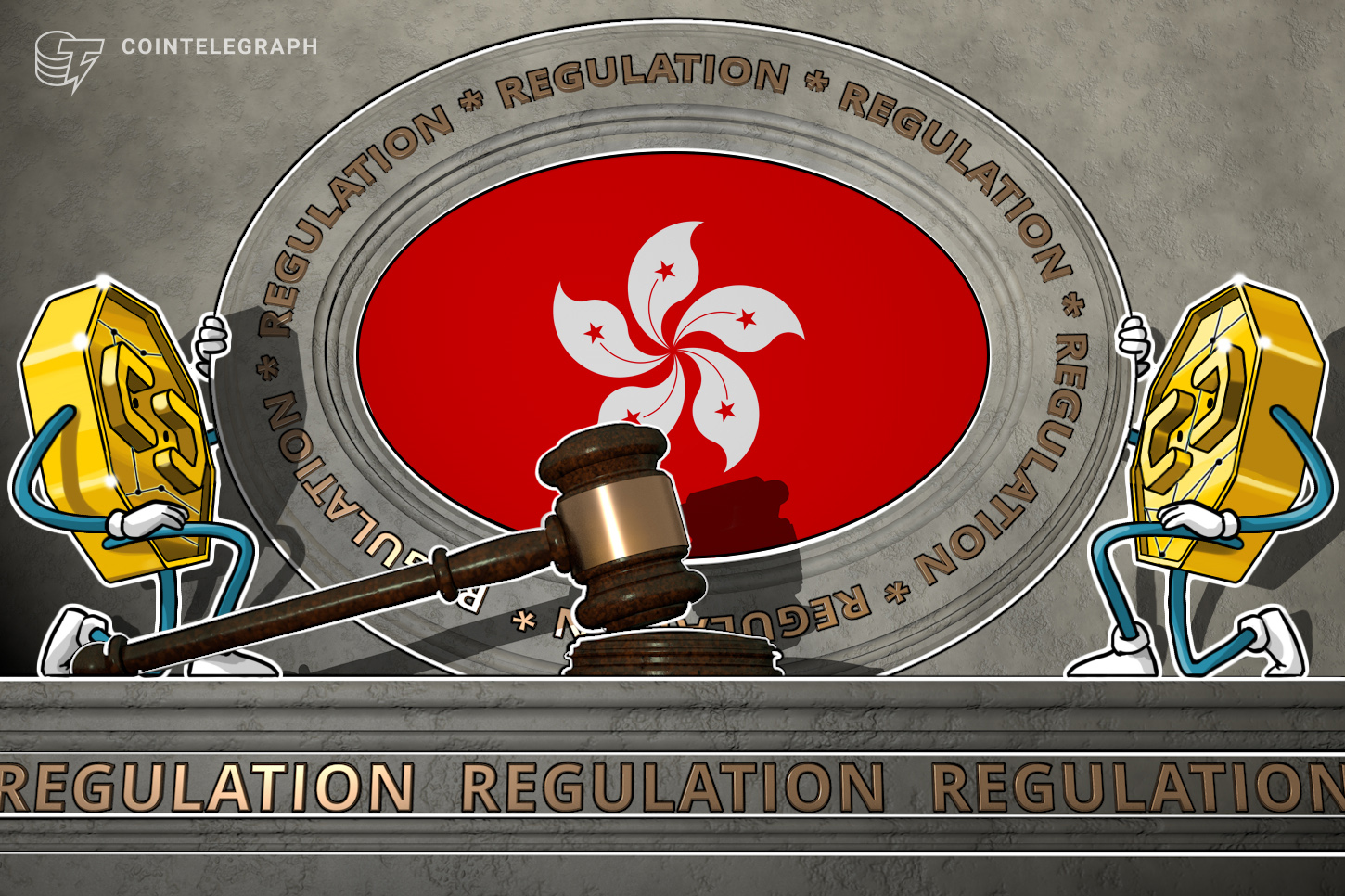
Ever wondered if regulating crypto custodians and advisors is like trying to put a leash on a thunderstorm? Hong Kong’s latest move might just be that bold—or maybe a bit ambitious. The city’s government has rolled out the Virtual Asset Services Legislation (Amendment) Bill 2026, aiming to bring more than just trading platforms under the watchful eye of licensing and registration. We’re talking about encompassing virtual asset dealing, advisory, management, and custody—all needing a green light from the Securities and Futures Commission (SFC). While this sounds like a dream for investor protection and responsible innovation, there’s a catch: industry pros are already waving red flags about the timeline and the lack of a grace period, fearing sudden shutdowns during the licensing shuffle. It’s a high-stakes chess game where regulation meets reality—will Hong Kong checkmate chaos or be caught in a regulatory stalemate? LEARN MORE.
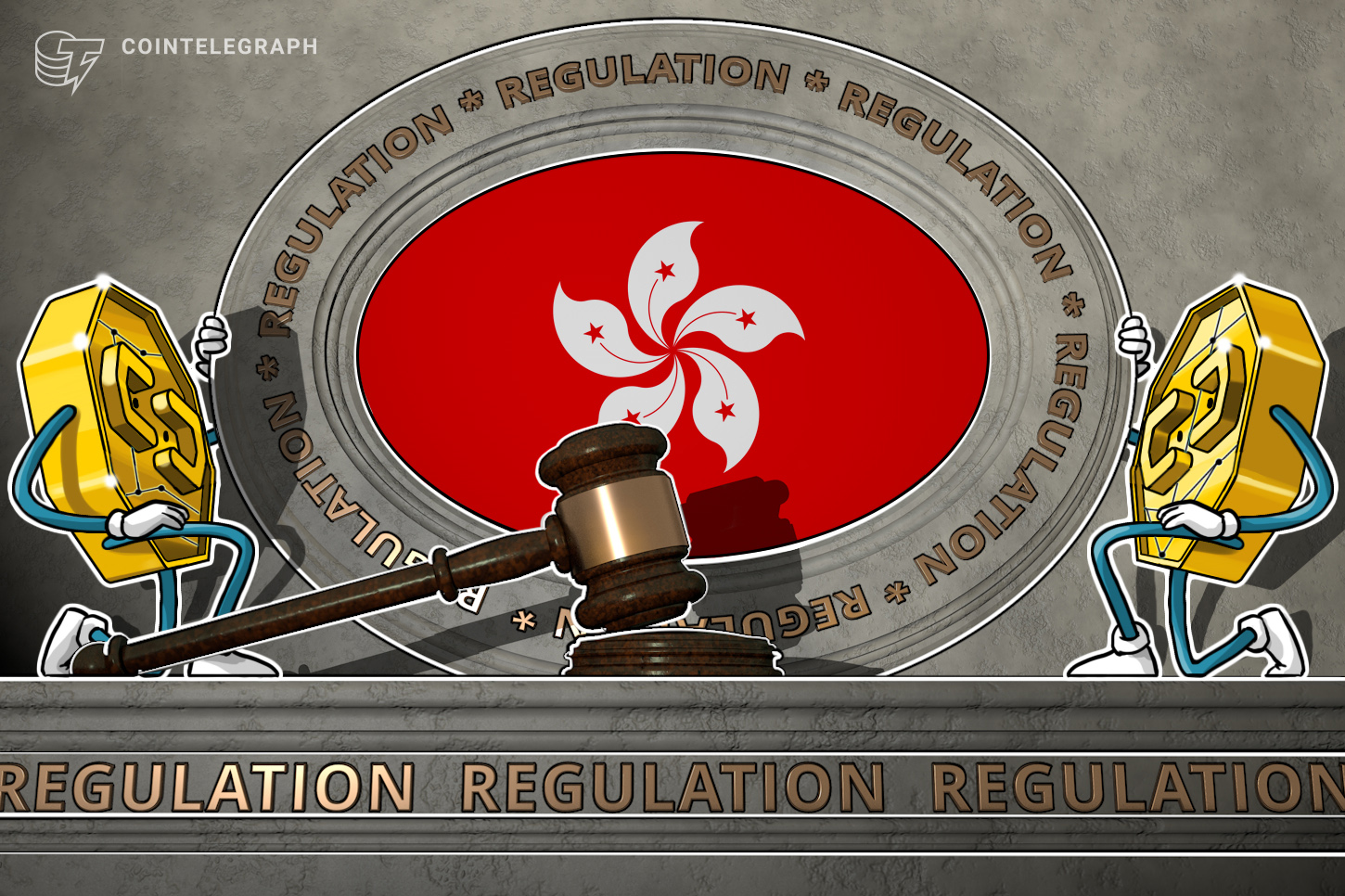
Hong Kong has published a bill that would bring crypto custodians, advisers and other virtual asset service providers under mandatory licensing or registration, extending oversight beyond trading platforms.
On Friday, the government officially published its Virtual Asset Services Legislation (Amendment) Bill 2026, proposing to regulate four activities, including virtual asset dealing, advisory, management and custody. Firms carrying out those activities would need to obtain a license from or register with the Securities and Futures Commission (SFC).
The proposed amendments to the Anti-Money Laundering and Counter-Terrorist Financing Ordinance would subject providers to fit-and-proper checks and other regulatory requirements. Banks and stored-value facility licensees supervised by the Hong Kong Monetary Authority would also have to register with the SFC to offer virtual asset services.
SFC chief executive Julia Leung said the proposal would strengthen investor protections and provide clearer paths for responsible innovation. The bill is set for its first reading in the Legislative Council on Dec. 2.
In October, Hong Kong said it would introduce legislation covering those four activities before the end of 2026, following consultations on the proposed framework.
The expanded regime has raised implementation concerns. In January, the Hong Kong Securities & Futures Professionals Association warned that introducing licenses without transitional arrangements could force existing businesses to suspend operations while their applications are reviewed. The association called for a six- to 12-month grace period.
Related: Hong Kong adds Hyperliquid to list of ‘suspicious’ crypto platforms













Post Comment