Is the Digital Euro the EU’s Secret Weapon to Safeguard Sovereignty?
Ever wondered what it truly means for Europe to have “sovereignty” over its payments? It’s not just a buzzword tossed around in the corridors of power—it’s a serious game-changer. You see, the digital euro pilot set for next year isn’t your typical central bank experiment. It’s Europe’s bold move to wrest control from the clutches of non-European payment giants who currently dominate two-thirds of euro-area card transactions. Imagine the relief of not having to sweat over external hiccups every time you tap your card—or even click to pay online. But here’s the kicker: sovereignty in this sense isn’t about barricading the gates; it’s about having the power to choose, the strength to stand on your own two feet while still shaking hands with others. With real transactions set to roll out alongside 36 market operators prepping for liftoff, this trial could redefine what seamless payments look like in the eurozone. The clock is ticking on Brussels’ legislative dance, but if all goes well, this could be the dawn of a new era where Europe calls the shots in its financial pulse. Curious to see how this unfolds? LEARN MORE.
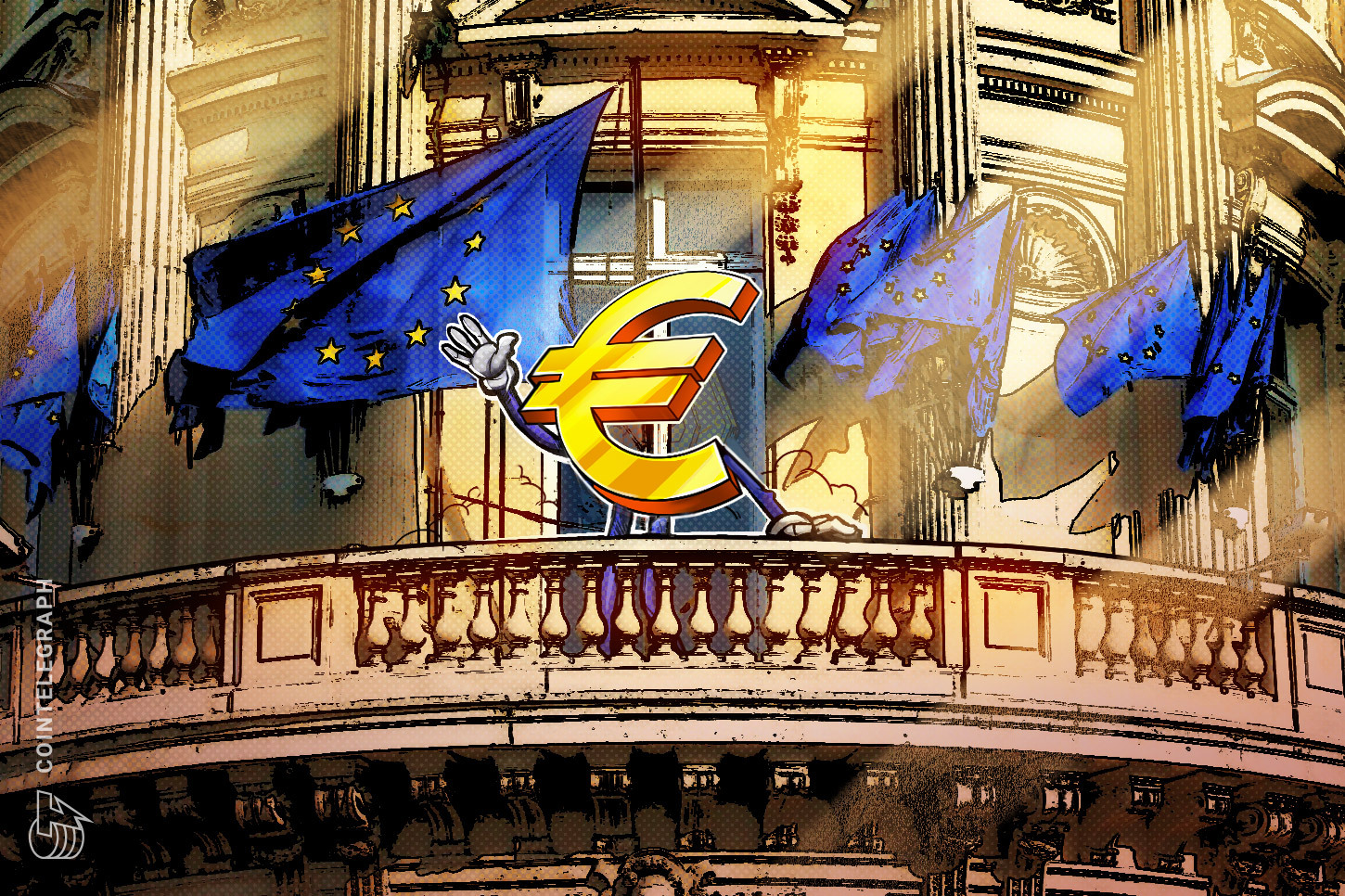
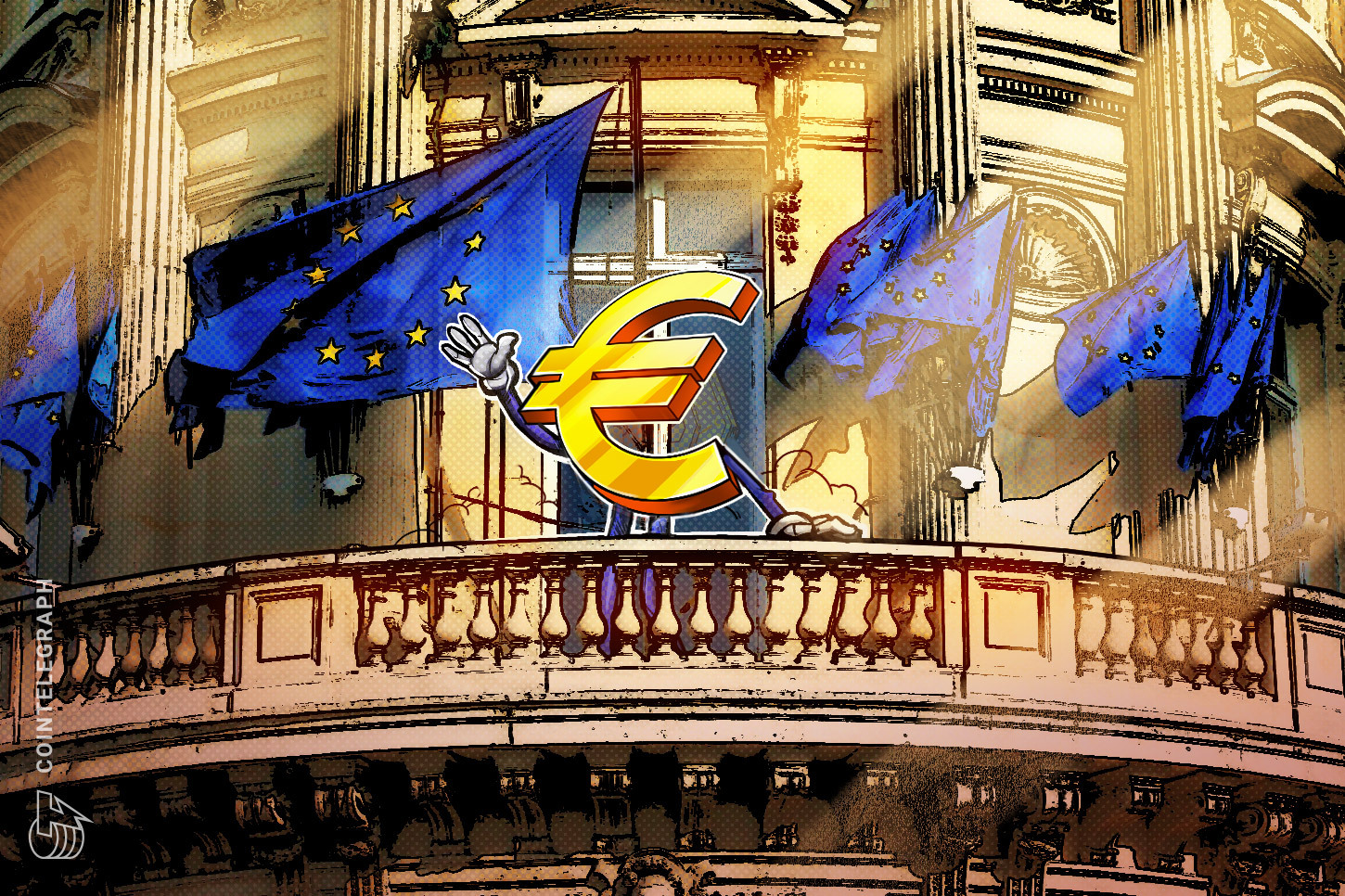
European Central Bank Executive Board member Piero Cipollone said the digital euro that is set for a pilot next year has the potential to give the bloc “sovereignty” over a payments infrastructure that currently requires dependency on external, non-European third parties.
Cipollone said in an interview with Italy’s Milano Finance published by the central bank on Saturday that because the bloc is critically dependent on third parties, it’s not easy to ensure this smooth functioning. He did not cite specific third parties.
“In recent years Europe has learned that, for some essential services, we cannot rely only on third parties. We saw this with energy and we’re seeing it today with defense. And the same is true for payments,” he said.
The pilot will use real transactions by ECB and national central bank staff. With 36 market operators, including seven from Italy, collaborating on preparations, the ECB is inviting e-commerce and mobile-commerce operators to participate.
“The smooth functioning of payment systems is one of our responsibilities. If we are critically dependent on third parties, it’s not easy to ensure this smooth functioning,” Cipollone said.
To be sure, sovereignty doesn’t mean shutting third parties out, Cipollone said. “It means having the power to choose and knowing that, for an essential service like payments, Europe can also rely on its own strength.”
In an April public lecture held in Latvia, Cipollone said that Europe’s reliance on non-European payment providers creates a strategic vulnerability. He said two-thirds of euro-area card transactions are governed by non-European companies, and that the digital euro could reduce that dependence and provide European-controlled payment infrastructure.
The ECB Governing Council can only decide on issuing a digital euro only after legislative negotiations in Brussels conclude.
“We hope that the regulation will be adopted by the end of the year, enabling the ECB’s Governing Council to issue a formal decision on issuance,” Cipollone told Milano Finance .
Magazine: New DeepSeek ban in US, Swiss-Asia crypto ties deepen: Asia Express











Post Comment