The Hidden Techniques Collision Repair Shops Use to Perfectly Restore Wheel Openings Revealed!
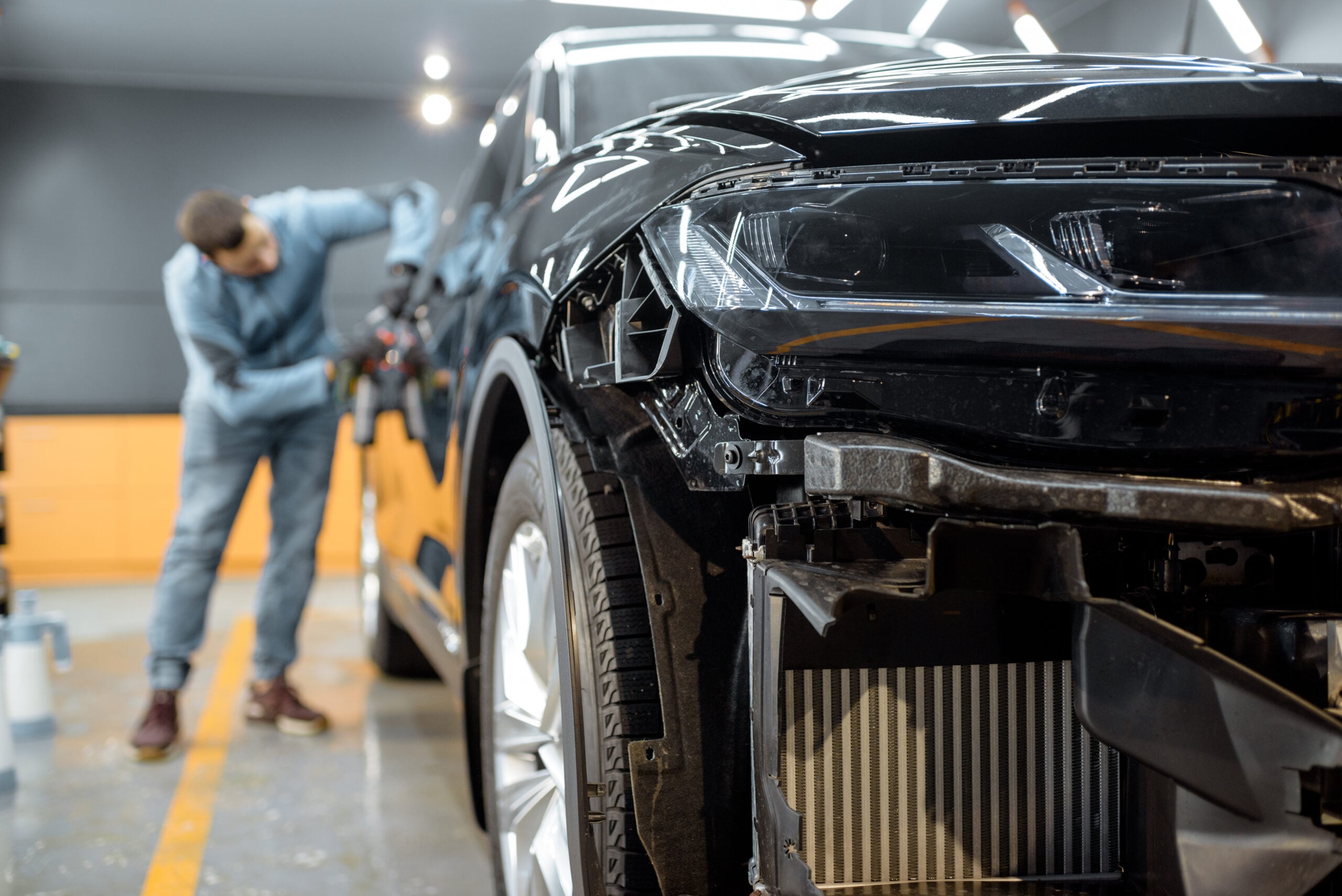
Ever glanced at a dent near your car’s wheel opening and thought, “Ah, just a scratch—no biggie”? Well, brace yourself, because that sneaky little crease could be waving a red flag about deeper, hidden damage lurking under the surface. Wheel openings—those tough little fender flare areas—routinely take hits from pesky curb strikes, rogue potholes, and minor bumps that happen more often than we care to admit. But here’s the kicker: fixing them isn’t about slapping on a quick patch and calling it a day. It’s a meticulous dance of inspection, repair, and spot-on refinishing that not only restores your ride’s looks but also its structural backbone. Curious about why these seemingly minor blemishes matter so much and what it really takes to get them fixed right? Let’s dive into the nitty-gritty before that subtle dent turns into a costly headache. LEARN MORE.
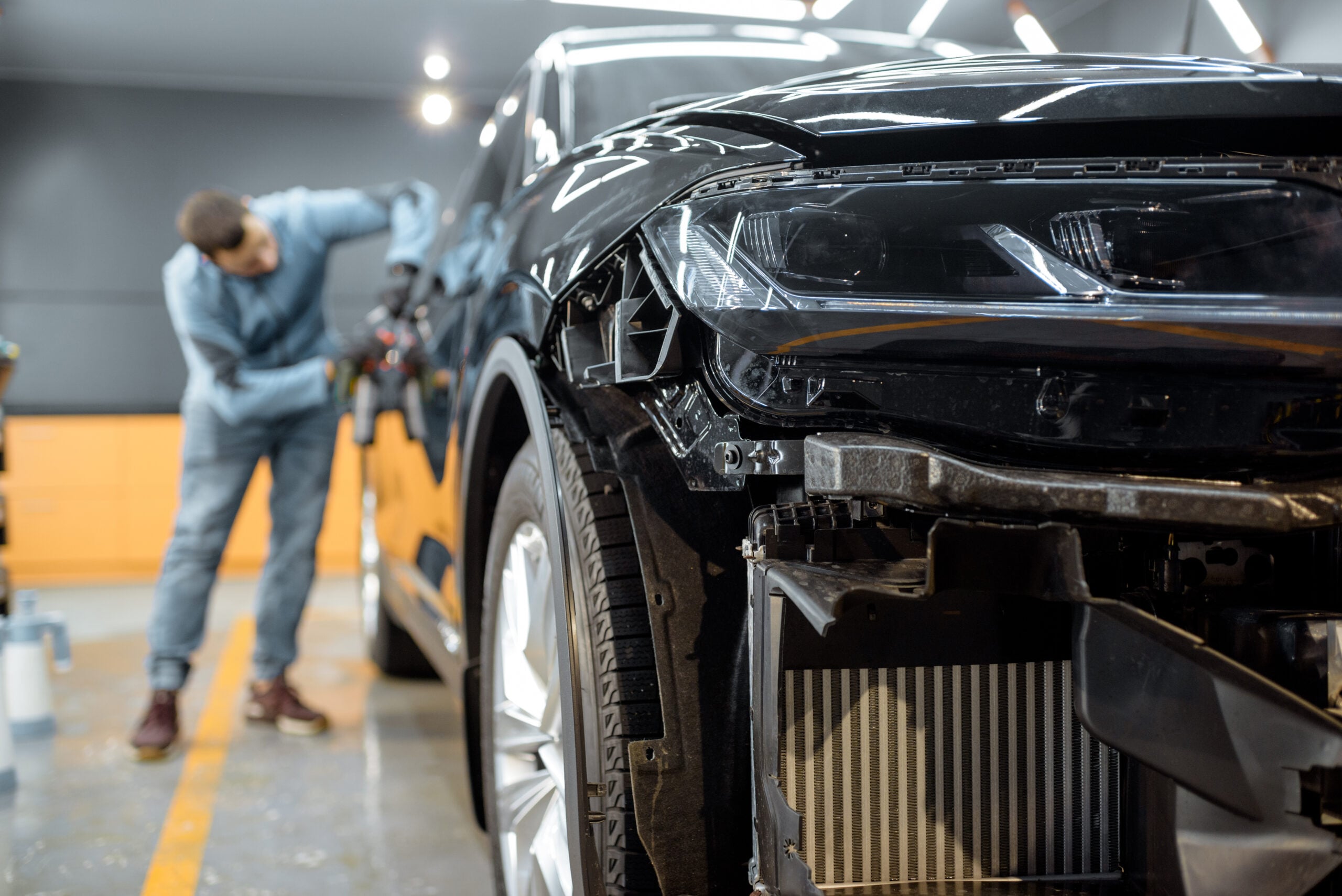
Wheel opening damage is one of the more deceptive types of collision repair. What looks like a simple dent or crease along the fender edge can actually signal deeper structural issues, especially if the impact came from a curb strike, pothole, or low-speed collision. Auto body shops see this type of damage constantly, and repairing it correctly requires more than a quick patch job. It demands a careful process of inspection, repair, and refinishing to restore both the look and the integrity of the vehicle.
Why Wheel Opening Damage Happens
The wheel opening, also called the wheel well or fender flare area, takes a beating simply because of its location. It sits close to the road, close to the tire, and close to every curb, rock, and pothole a driver might encounter. Common causes of damage include:
- Curb strikes while parking or turning too sharply
- Pothole impacts that force the wheel upward into the fender lip
- Minor collisions involving the front or rear corners of the vehicle
- Debris kickback from tires throwing rocks or road debris into the wheel well
Because this area is structural in many vehicles, even minor-looking damage can affect wheel alignment, tire clearance, or the fender’s ability to protect internal components from moisture and road grime.
Step One: Assessing the Damage
Before any repair work begins, technicians at an auto body shop conduct a thorough inspection. This isn’t just a visual check. They’re looking for creases, cracks, and any signs that the impact traveled beyond the surface panel into the wheel arch liner, inner structure, or adjacent body panels.
A key part of this assessment involves checking wheel alignment and tire clearance. If the wheel opening has been pushed inward or distorted, it can cause the tire to rub against the fender lip, leading to premature tire wear or unusual noise while driving. Technicians will also inspect the wheel arch liner, a plastic or composite shield that protects the wheel well from debris, since cracks or dislodgement here often accompany fender damage.
Step Two: Repairing the Panel
Once the damage is fully mapped out, repair work begins. For metal panels, this typically involves:
- Paintless dent repair (PDR) for minor dents without paint damage, using specialized tools to massage the metal back into shape from behind the panel
- Traditional dent repair for more significant damage, which may involve heating, hammering, and shaping the metal using body hammers and dollies
- Panel replacement when damage is too severe to repair, particularly if the metal has torn, stretched beyond recovery, or suffered structural compromise
Many modern vehicles use plastic or composite fender materials, which require a different approach. Technicians often use plastic welding techniques or specialized adhesives to rebuild the damaged section before moving into the finishing stages.
Step Three: Refinishing the Repair Area
Once the panel is repaired or replaced, attention turns to matching the original finish. This stage involves sanding the repaired area smooth, applying body filler where necessary to create an even surface, and priming the panel to prepare it for paint.
Color matching is one of the more technical aspects of this process. Auto body shops use paint codes specific to the vehicle, along with color-matching technology, to ensure the repaired section blends seamlessly with the rest of the car. Even a slight mismatch can make a repair obvious, so technicians often blend the new paint into adjoining panels for a more natural transition.
Step Four: Reassembly and Final Inspection
With the paint cured, technicians reinstall the wheel arch liner, trim pieces, and any hardware removed during the repair. A final inspection follows, checking for proper panel alignment, consistent panel gaps, and confirming that the wheel moves freely without rubbing against the repaired area.
Some shops also perform a test drive at this stage, particularly if the damage was severe enough to raise concerns about alignment or suspension components near the wheel well.
Why Professional Repair Matters
Wheel opening damage might seem minor, but it’s rarely just cosmetic. A qualified auto body shop doesn’t just make the damage disappear visually. They ensure the repair restores structural integrity, protects internal components from future damage, and maintains the vehicle’s overall safety and performance. Skipping professional repair or opting for a shortcut fix can lead to bigger problems down the road, including uneven tire wear, water intrusion, or hidden rust formation in the wheel well area.
For anyone dealing with this type of damage, choosing a shop with experience in both metal and composite panel repair, along with strong color-matching capabilities, makes all the difference in the final result.
SME Paid Under











Post Comment