Why Wirecutter’s Bold Transparency Move Could Change Journalism Forever—But Most Publishers Are Terrified to Follow
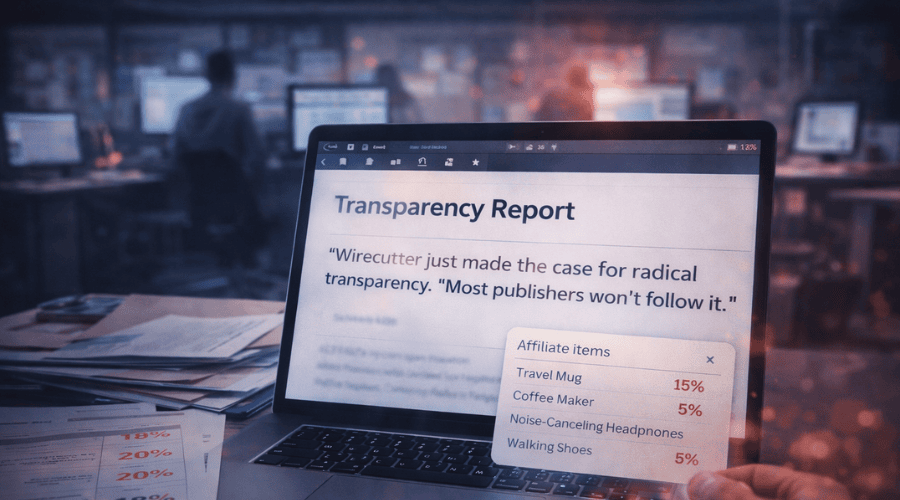
Ever caught yourself wondering if a “transparency page” is actually, you know, truthful? It’s funny how slapping a shiny Wirecutter-style transparency page on your site can sometimes do more harm than good—especially when what’s promised is about as real as a unicorn in Times Square . I mean, if your editorial and commerce teams are supposed to be living in separate galaxies, but they’re actually sharing a cubicle, you’re not just bending the truth—you’re snapping it in half. And when readers catch on, that trust? It doesn’t just crack; it craters. So, who really benefits from this faux honesty? Spoiler: nobody. LEARN MORE.
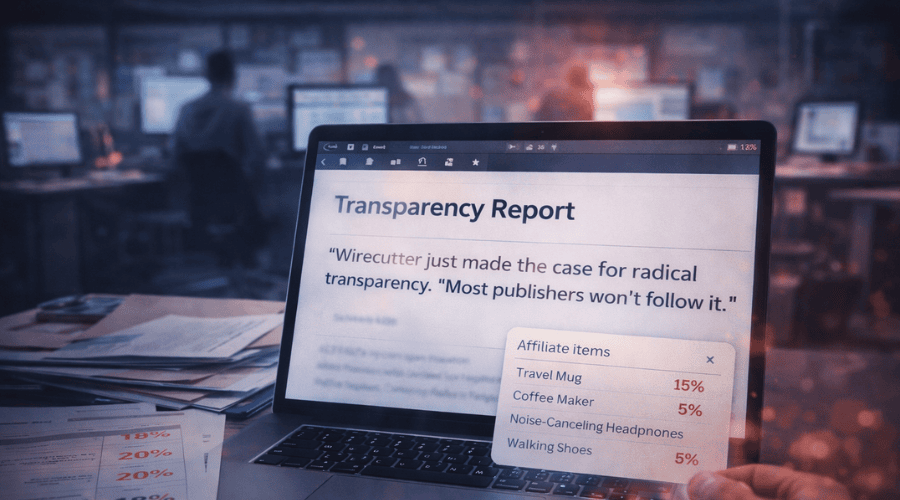
A publisher that writes a transparency page modelled on Wirecutter’s, but whose actual operations do not match the description, has made things worse, not better. A false transparency page is more damaging than no transparency page because it makes a specific, verifiable promise that the publication has no intention of keeping. If a reader later discovers that editorial and commerce are not in fact separated, the trust damage is compounding.