Unlocking the Secrets of APMA Attribution: What Every UK Programme Manager Must Discover Now
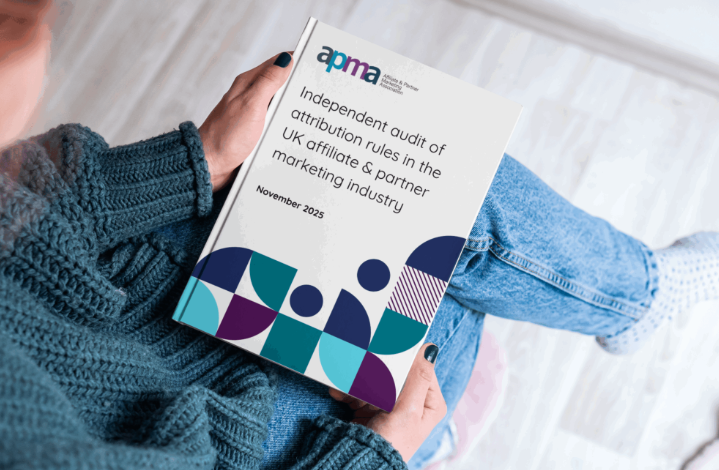
Ever wonder who’s really cashing in when a sale happens online? Is it the first affiliate that piqued your interest, or some sneaky cashback tool lurking in the background, ready to swoop in and claim the glory? Well, a recent audit put attribution rules under the microscope—and the results are pretty revealing. Turns out, 80% of the time, those early-bird affiliates are protected, thanks to clever mechanisms called soft-click and stand-down. These aren’t just fancy terms—they’re game-changers that preserve credit where it’s due, even when discount browser extensions or on-site marketing tricks try to rewrite history. Curious how this all went down and why 20% of cases still slip through the cracks? Dive into the nitty-gritty and see how the affiliate world is keeping fairness alive in the wild west of online conversions. LEARN MORE.

Attribution rules protected earlier-funnel affiliates in 80% of test scenarios. Two mechanisms drove this protection: soft-click (platform-level blocking that prevents certain affiliates from overwriting prior referrals) and stand-down (affiliate-level suppression when earlier traffic is detected).
The audit ran between March and May 2025, testing real consumer journeys across discount browser extensions, cashback browser extensions, and on-site marketing technologies. The independent consultant deliberately activated these technologies after an initial affiliate referral to determine whether the original affiliate retained credit or whether the conversion tool claimed the sale.
Twenty-one scenarios showed stand-down behaviour, three showed soft-click, and four showed soft-click operating as backup protection. The remaining 20% of tests defaulted to standard last-click attribution with no protection applied.